The recent surge in US airstrikes across Iran has raised significant concerns about regional stability and global energy security. With at least 35 reported deaths and hundreds injured, these attacks not only violate a fragile ceasefire but also threaten to escalate into a broader conflict. As the US reimposes a naval blockade, the potential for retaliatory strikes from Iran on US bases in the region looms large, further complicating an already volatile situation.
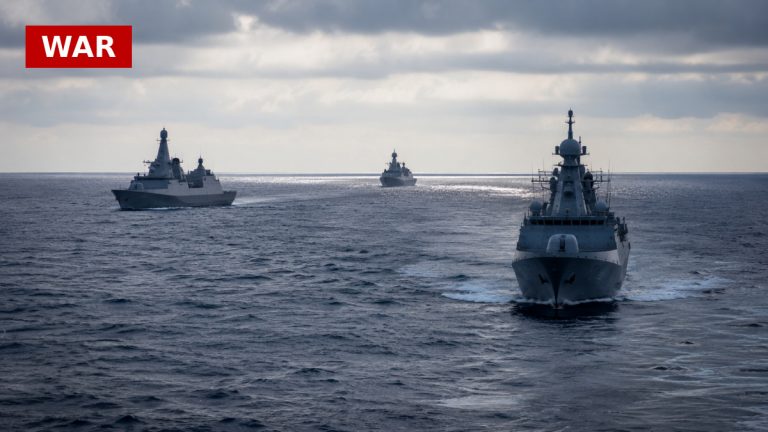
The Strait of Hormuz, a critical maritime chokepoint for global oil shipments, is now under renewed threat. Historically, this strait sees around 100 ships daily, carrying a substantial portion of the world’s oil supply. However, following the recent military actions, shipping traffic has plummeted, with only 24 vessels transiting daily compared to pre-war averages. This decline not only impacts oil prices but also raises the spectre of a complete blockade, which could cripple energy supplies to Europe and Asia.
Iran’s strategic positioning along the southern coast, with numerous islands facilitating military operations, gives it leverage in any potential negotiations. Analysts suggest that if Iran were to lose control over the Strait of Hormuz, it would significantly diminish its bargaining power in future discussions. The ongoing conflict could lead to a situation where both sides view each other’s military bases as legitimate targets, further entrenching the cycle of violence.
As tensions escalate, the implications extend beyond the immediate region. The potential closure of both the Strait of Hormuz and Bab al-Mandeb could disrupt a quarter of the world’s energy supply, highlighting the interconnectedness of global trade and security. The situation demands close attention, as the outcomes could reshape international relations and economic stability for years to come.
Source: Al Jazeera