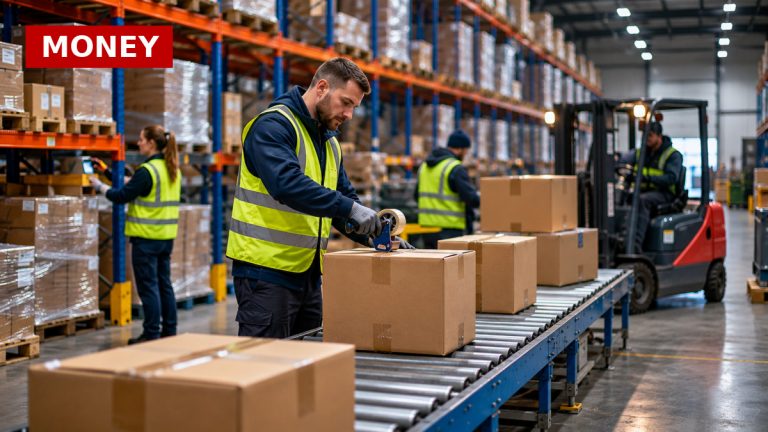
Gulf states are increasingly investing in Africa, with over $100 billion poured into the continent over the past decade. This trend is driven by the need for diversification away from oil and gas, as well as the desire to secure trade routes and access to critical raw materials. The UAE, in particular, is leading the charge, with significant investments in energy, logistics, and agriculture, aiming to bolster its economic influence while also enhancing food security in Africa.
The recent acquisition of Shell’s petrol stations in South Africa by ADNOC Distribution for around $1 billion exemplifies this growing presence. Such investments not only provide financial support to African nations but also allow Gulf states to gain strategic control over vital infrastructure. This is crucial as Western funding declines and China reduces its loans, leaving a gap that Gulf investments can fill.
However, the motivations behind these investments vary among Gulf states. While the UAE focuses on broad commercial relationships, Saudi Arabia is more selective, concentrating on energy and development financing. This difference reflects their respective economic models and foreign policy goals, with the UAE seeking to project power and challenge Saudi Arabia’s regional standing.
For African countries, the influx of Gulf capital presents an opportunity to diversify their international partnerships. Unlike traditional loans, Gulf investments often come with fewer political strings attached, allowing nations to maintain flexibility in their foreign relations. As the continent’s financial needs grow, these investments could play a pivotal role in shaping Africa’s economic landscape in the coming years.
Source: DW News