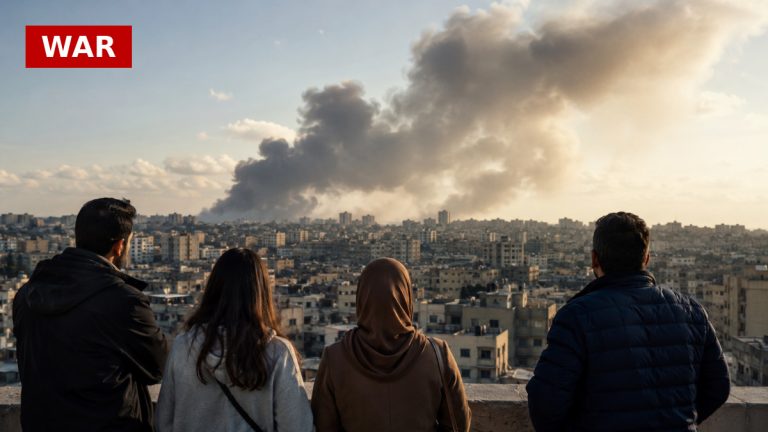
Recent Israeli airstrikes in Gaza have resulted in the deaths of at least a dozen individuals, including police officers. This escalation raises significant concerns about the ongoing ceasefire, which has already been fragile since its inception in October. The Israeli military claims that some of those killed were Hamas militants, yet no evidence has been provided to substantiate these assertions.
The targeting of police stations, particularly in densely populated areas like Jabaliya, suggests a shift in Israel’s military strategy. By classifying police personnel as legitimate targets, Israel blurs the lines between law enforcement and military operations, potentially undermining civilian safety and complicating humanitarian efforts.
This pattern of violence not only affects immediate security but also has long-term implications for governance in Gaza. The attacks on police forces could destabilize local law enforcement, leading to increased chaos and insecurity in the region. As Hamas navigates its dual role as both a governing body and a militant group, the consequences of these strikes may further entrench divisions and exacerbate tensions.
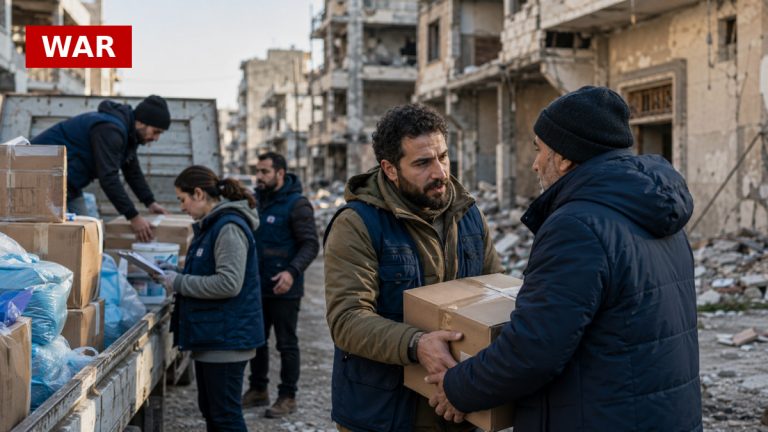
With over 73,000 Palestinian casualties reported since the conflict escalated, the humanitarian crisis continues to deepen. The international community is left grappling with the implications of these strikes, as they challenge the effectiveness of ceasefire agreements and raise questions about the future of peace in the region.
Source: PBS News