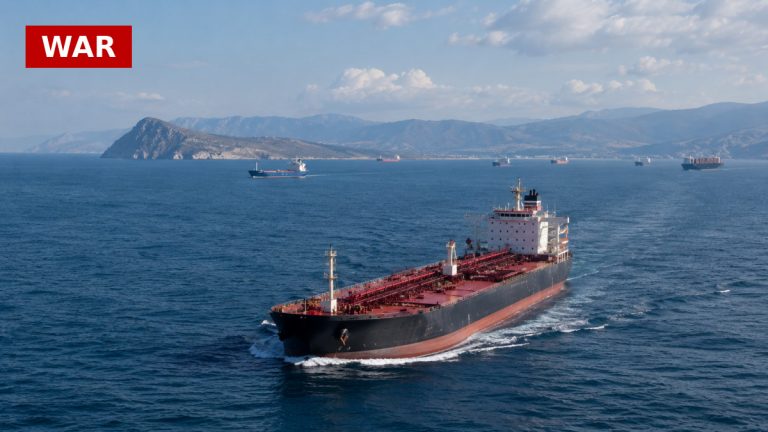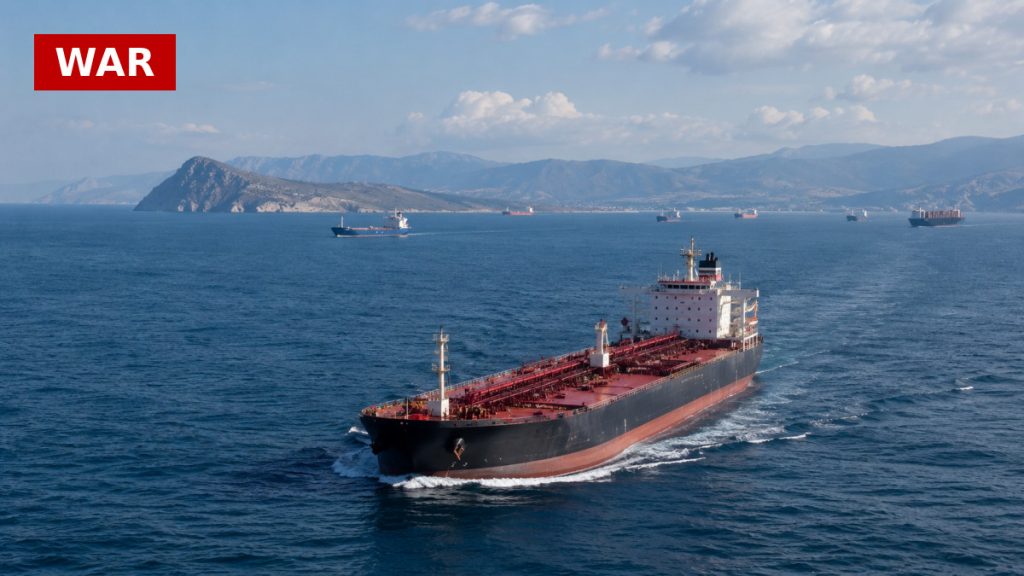
The ongoing conflict between the US and Iran has intensified, with both sides engaging in a series of retaliatory strikes. This escalation not only threatens regional stability but also poses significant risks to global oil supply, particularly through the strategically vital Strait of Hormuz, which handles a substantial portion of the world’s oil exports.
As tensions rise, Iran’s threats to disrupt shipping routes could lead to further increases in oil prices, which have already surged to around $85 a barrel. Analysts warn that continued disruptions could push prices even higher, potentially reaching $100 a barrel, which would have a direct impact on household energy costs and inflation rates in the UK.
The situation is compounded by the US’s naval blockade and Iran’s missile attacks on US allies in the region, creating a precarious environment for international shipping. Countries reliant on oil imports, including the UK, may face increased energy costs and supply chain disruptions, affecting everything from transportation to heating.
With the conflict showing no signs of abating, the implications for global markets and UK consumers could be profound. The potential for a full-scale war raises urgent questions about energy security and economic stability, making it crucial for observers to monitor developments closely.
Source: The Guardian