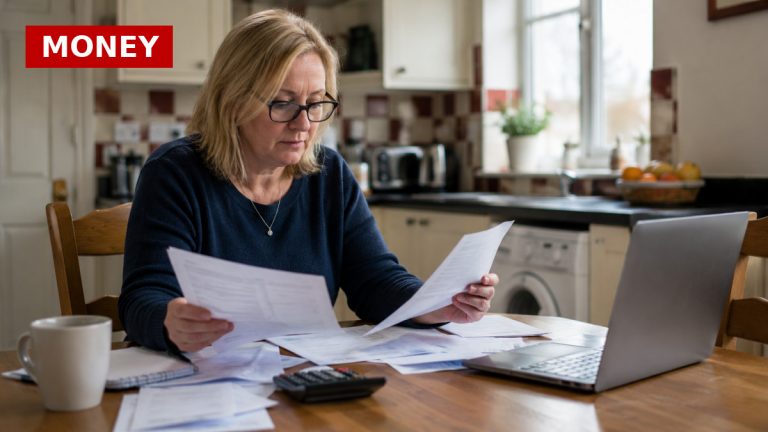
Food prices in the UK have seen a rare decline, with staples like margarine and sugar becoming more affordable. This drop, attributed to supermarket price wars, has contributed to a slight easing of overall inflation to 2.6% in June. However, analysts caution that this relief may be short-lived, as rising energy costs are expected to push inflation back up in the coming months.
The recent fall in inflation is a welcome sign for the new Prime Minister, Andy Burnham, who has made cost of living a priority. Yet, the British Retail Consortium warns that without government intervention to lower business costs, the affordability of food could be at risk in the long term. The impact of global events, particularly the ongoing conflict in the Middle East, could also disrupt supply chains, leading to further price increases.
As inflation remains above the Bank of England’s target, the potential for interest rate hikes looms. Economists predict that rising energy bills and their second-round effects on wages could create a more significant economic challenge for the Chancellor, John Healey. This situation could squeeze household budgets even tighter, especially for those already struggling to afford essentials.
In response, the government has announced measures such as a VAT cut on electricity bills and a cap on bus fares to alleviate financial pressure. However, with mortgage rates rising, those looking to buy homes may face increased financial strain, highlighting the complex interplay between food prices, inflation, and household finances.
Source: BBC News