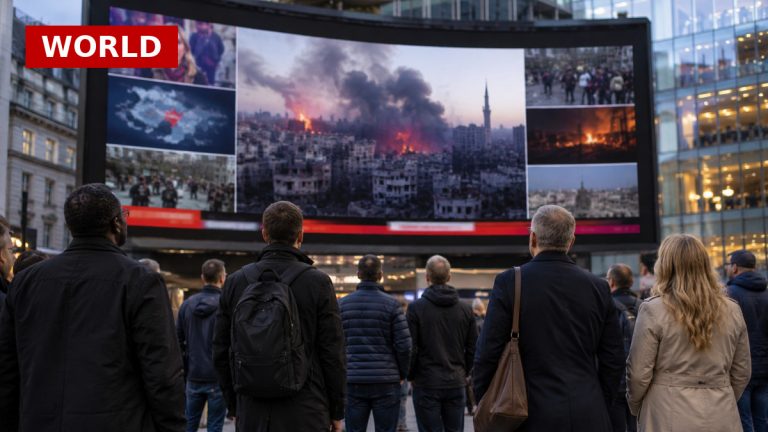
Wildfires are becoming increasingly common and intense, with climate change playing a significant role in their escalation. Recent data shows that wildfires have doubled in frequency over the past two decades, with climate change linked to more severe conditions that fuel these blazes. For instance, the recent fires in Los Angeles have been exacerbated by extreme weather fluctuations, highlighting the complex relationship between climate patterns and wildfire risks.
The impact of climate change on wildfires is not just about frequency; it also affects the timing and intensity of these events. Research indicates that wildfire seasons are extending, now averaging two weeks longer than in previous years. This shift poses a direct threat to communities, as seen in California, where fire alerts have surged dramatically in recent months.
Moreover, the connection between human activity and wildfires cannot be overlooked. While climate change creates conducive conditions for fires, most are ignited by human actions. This underscores the need for enhanced public awareness and preventive measures, such as better forest management and community preparedness.
As wildfires continue to ravage landscapes globally, the urgency for action grows. Experts advocate for increased funding for early warning systems and fire prevention strategies, alongside a broader push to reduce fossil fuel consumption, which is a primary driver of climate change. The future of wildfire management will depend on a collective effort to address these interconnected challenges.
Source: DW News