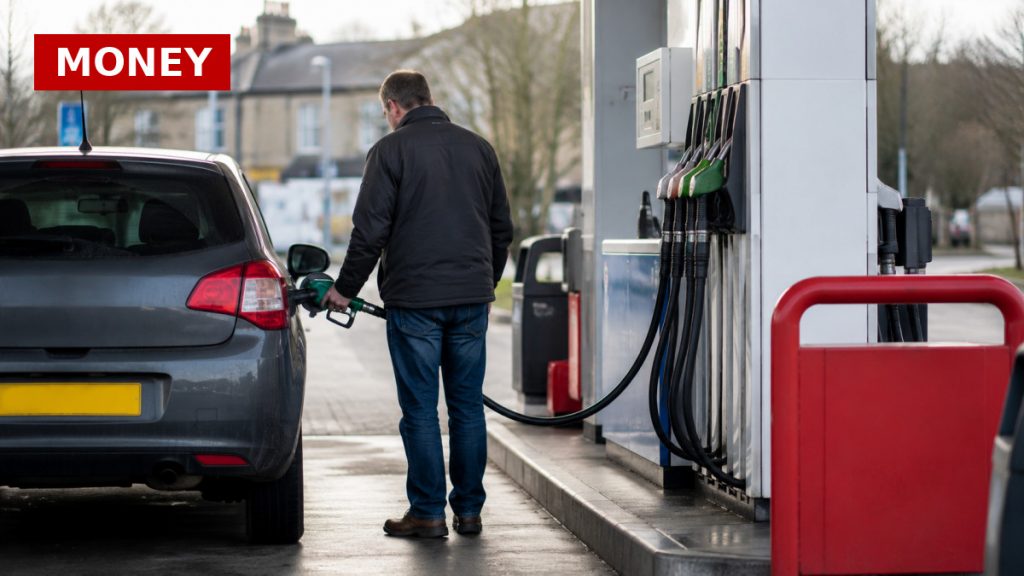
The ongoing crisis in the Strait of Hormuz is significantly affecting fuel prices across Europe. Recent attacks on oil tankers by Iranian forces and Houthi rebels have heightened tensions, causing crude oil prices to surge past $100 a barrel. This situation is particularly concerning for countries heavily reliant on oil imports, as they face increased costs that could ripple through their economies.
In June, after a temporary ceasefire, fuel prices in Europe saw a brief decline, with diesel and petrol prices dropping by 6.4% and 4.2%, respectively. However, the renewed hostilities have reversed these gains, leading to significant price fluctuations. Countries like Bulgaria, Lithuania, and Romania are experiencing some of the highest year-on-year price increases, exceeding 23%.
Conversely, nations such as Hungary, Poland, and Spain have managed to keep fuel price spikes relatively low through measures like price caps and VAT cuts. These strategies have drawn criticism from the EU, which prefers adjustments to excise duties instead. Spain’s robust oil infrastructure, including a network of refineries, has also helped mitigate the impact of rising crude costs.
As the situation in Hormuz remains volatile, the long-term implications for European economies could be profound, affecting everything from household budgets to broader economic stability. Consumers may need to brace for continued fluctuations in fuel prices as geopolitical tensions persist.
Source: Euronews