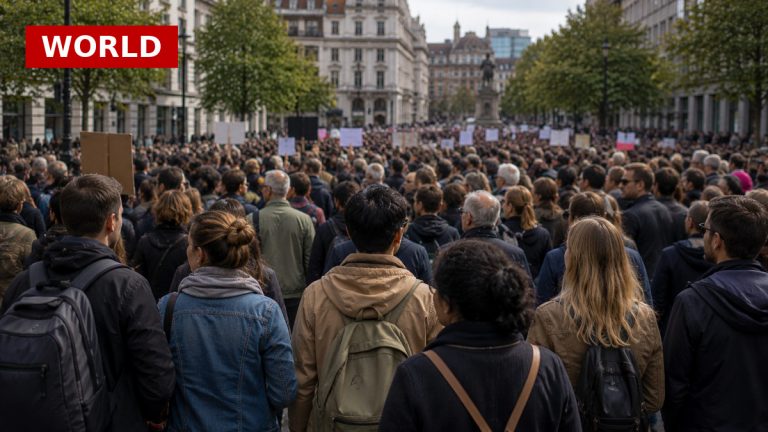
India’s youth-led Cockroach movement, which recently forced the resignation of the education minister, is now facing a critical moment. The Cockroach Janta Party (CJP) claims the government has broken its promise not to take punitive action against student protesters, leading to widespread detentions across several states. Reports indicate that hundreds of students have been arrested or harassed by police, raising concerns about the government’s commitment to upholding the right to protest.
The CJP has warned that if the detained protesters are not released, they will resume their demonstrations, potentially reigniting tensions across the nation. This movement, which has gained significant traction on social media, highlights a growing discontent among youth regarding educational reforms and government accountability. The recent protests have been marked by violence, with police employing aggressive tactics to disperse crowds, further complicating the situation.
The implications of this unrest extend beyond immediate protests; it signals a potential shift in the political landscape as young people mobilise against perceived government overreach. The CJP’s establishment of a legal fund to support those facing charges underscores the seriousness of their commitment to this cause.
As the government introduces measures to address the issues raised by the protests, including tougher penalties for exam paper leaks, the CJP’s actions may influence future policy decisions and the broader discourse on civil rights in India. The outcome of this movement could reshape the relationship between the youth and the government in the coming years.
Source: The Guardian