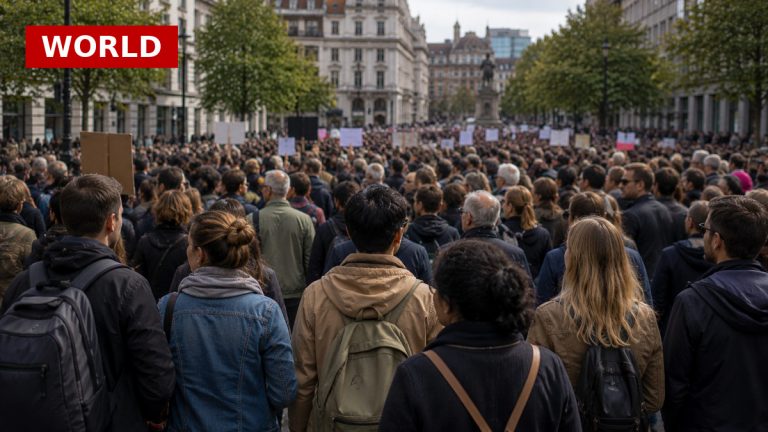
The planned demolition of 38 buildings at Mohammad Ali Jauhar University has sparked significant protests, highlighting tensions between the state government and the university’s supporters. Founded by prominent Muslim leader Azam Khan, the university is seen as a symbol of educational empowerment for the region’s Muslim population. The Uttar Pradesh government claims the buildings were constructed illegally, but many view this as a politically motivated attack against Khan, who has long been critical of the ruling Bharatiya Janata Party (BJP).
The situation has escalated as students and alumni stage an indefinite sit-in, demanding the withdrawal of the demolition order. This protest mirrors recent youth-led movements in India that have successfully pressured government officials, raising questions about the effectiveness of grassroots activism in influencing policy decisions. The interim stay on the demolition order provides a temporary reprieve, but uncertainty looms over the university’s future.
Khan’s history of political opposition to the BJP adds another layer to the controversy. His legal troubles, including multiple charges that supporters claim are politically motivated, have intensified scrutiny on the university. The outcome of this situation could set a precedent for how educational institutions are treated under political pressures in India, particularly those associated with minority communities.
As the protests continue, the implications for educational access and political expression in Uttar Pradesh remain significant. The university’s fate may not only affect its 3,000 students but also signal broader trends in governance and civil rights in the region, particularly for minority groups facing increasing challenges under the current administration.
Source: Al Jazeera