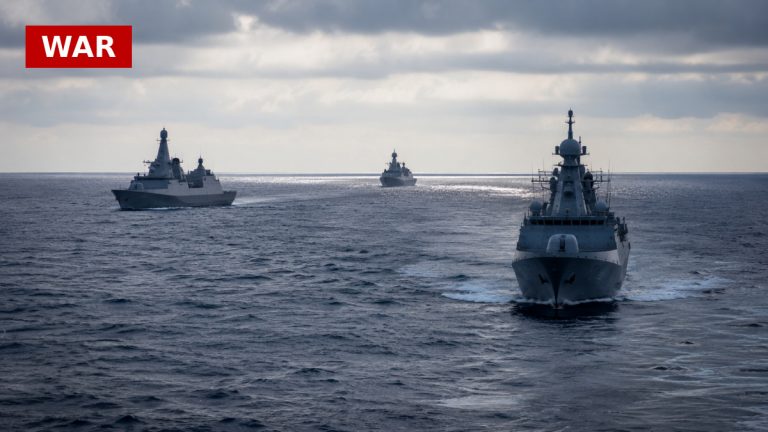
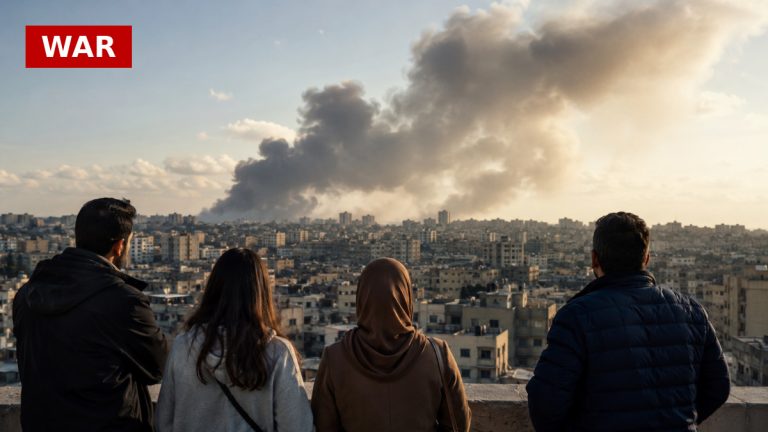
The recent thwarting of an Iranian missile attack by US forces has significant implications for global oil markets and regional security. Following the interception of multiple missiles aimed at a US base in Jordan, the US and Saudi Arabia launched retaliatory strikes against Iranian-backed militias in Iraq. This escalation not only marks a return to hostilities but also signals a potential shift in the balance of power in the Middle East.
The immediate consequence of these military actions has been a spike in oil prices, with Brent crude hovering around $88 a barrel. This increase is a direct response to fears of further conflict disrupting oil supply routes, particularly through the strategically vital Strait of Hormuz. As tensions rise, consumers in the UK and beyond may soon feel the impact at the petrol pump, as energy costs are likely to increase.
Moreover, the strikes have raised concerns about the stability of Iraq, where the Popular Mobilisation Forces, a state security service infiltrated by Iran, suffered significant casualties. This could lead to further unrest within Iraq, complicating the already fragile security situation and potentially drawing in more regional players.
As the US warns of further retaliatory measures against any attacks on its forces or Saudi infrastructure, the situation remains precarious. The interplay of military action and economic repercussions highlights the interconnectedness of global politics and local economies, making it essential for observers to monitor developments closely.
Source: The Guardian