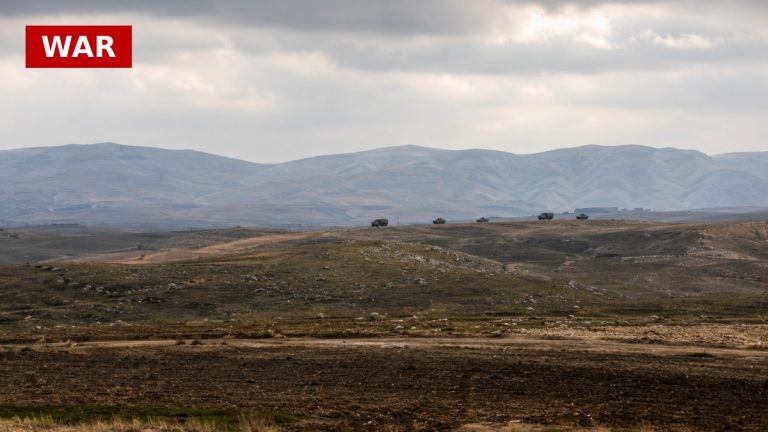
Iran has launched ballistic missiles targeting US military installations in Jordan, marking a significant escalation in regional tensions. The US military confirmed it intercepted this surprise attack, which raises concerns about the potential for a wider conflict in the Middle East. This incident follows a series of US-Saudi strikes on Iran-aligned groups in Iraq, responding to drone attacks on Saudi oil facilities, further complicating the already volatile situation.
The implications of these military actions extend beyond immediate retaliation. With Iran’s Islamic Revolutionary Guard Corps asserting its commitment to proactive military engagement, the risk of miscalculation increases. The presence of approximately 4,000 US troops in Jordan, particularly at key bases, makes them vulnerable to further Iranian strikes, potentially drawing the US deeper into conflict.
Moreover, the ongoing military exchanges highlight a delicate balance between military action and diplomatic efforts. While Oman has proposed a diplomatic solution regarding the Strait of Hormuz, the military pressure from both sides suggests that negotiations may be overshadowed by escalating hostilities. This dual approach could lead to unpredictable outcomes, affecting not only regional stability but also global oil markets.
As the conflict spills into other areas, such as the Red Sea and Caspian Sea, the interconnectedness of these conflicts raises alarms about a broader war. The situation demands close monitoring as countries attempt to de-escalate tensions, but the potential for a larger confrontation looms large, impacting international relations and security in the region.
Source: Al Jazeera