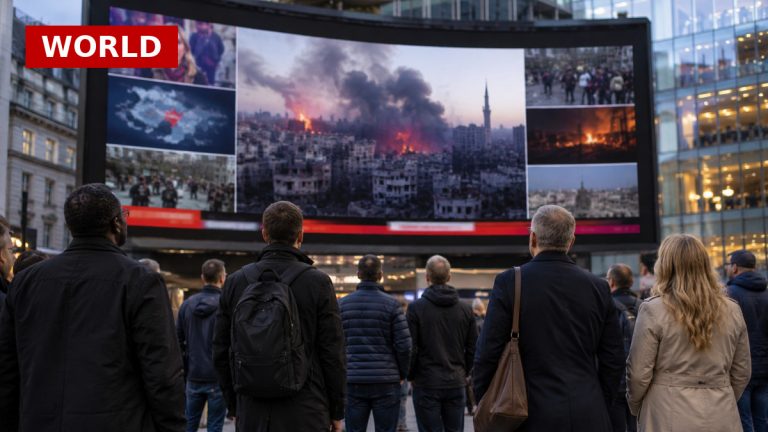
The recent wildfires in Gironde highlight a pressing need to rethink how we manage forests in the face of climate change. Jean-Luc Gleyze, President of the Departmental Council of the Gironde, emphasizes that these fires test not only emergency responses but also the resilience of communities and institutions. The fires serve as a stark reminder of the social solidarity required during such crises.
However, Stéphane Delpeyrat-Vincent, a former firefighter, argues that the increasing frequency and intensity of wildfires are symptoms of a deeper issue: landscapes that are no longer suited to the climate we experience today. This perspective shifts the focus from merely enhancing firefighting efforts to a broader reevaluation of land management practices.
The conversation around these wildfires suggests that we must return to ‘ancestral ways of managing the land.’ This approach could involve integrating traditional ecological knowledge with modern practices to create more resilient ecosystems. Such a shift could have significant implications for urban planning and community engagement in fire-prone areas.
As climate change accelerates, the urgency to adapt our land management strategies becomes clear. The challenge lies not just in combating fires but in fostering sustainable practices that can withstand the realities of a changing climate, ensuring the safety and well-being of communities for generations to come.
Source: France 24