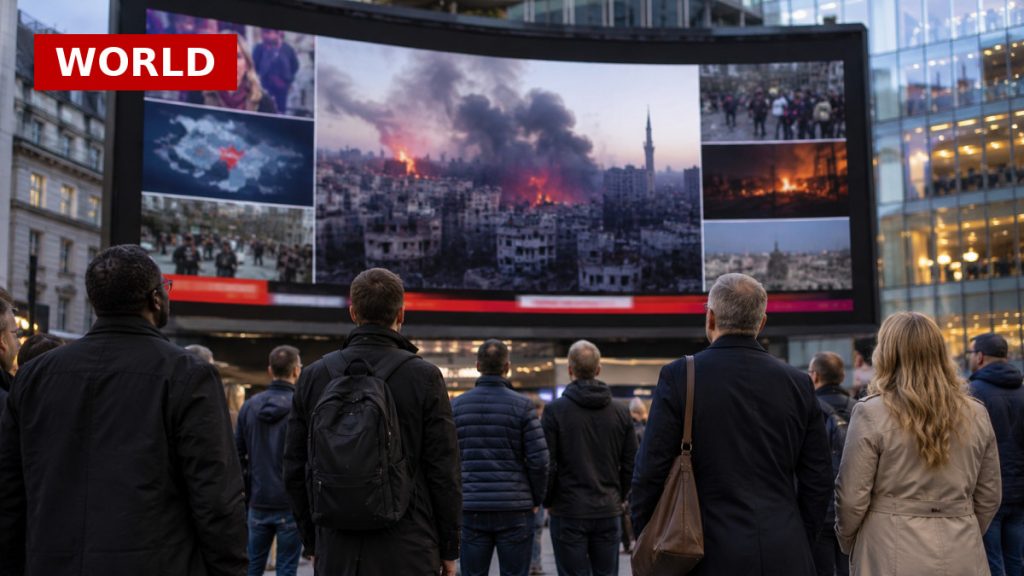
The recent Islamist attack during Berlin’s Pride celebrations has sent shockwaves through Germany’s Muslim communities, who fear backlash and increased scrutiny. The Council of Berlin Imams condemned the violence, emphasizing that such acts contradict Islamic principles. They highlighted the need for a nuanced understanding of radicalization, which often occurs gradually through online platforms.
In the aftermath, discussions around stricter laws and expanded surveillance are gaining traction among politicians and security agencies. This could lead to heightened tensions between Muslim communities and authorities, as many feel unfairly targeted due to the actions of a radical few.
Moreover, the attack has sparked a broader dialogue about the responsibilities of Muslim organizations in addressing extremism. Leaders stress the importance of engaging with youth to prevent radicalization, suggesting that community outreach and education are essential in countering extremist narratives.
The incident also raises questions about the portrayal of Islam in public discourse. Many Muslim leaders argue that distancing Islam from acts of terror is crucial, yet they face challenges in addressing the complexities of radical ideologies that misuse religious texts. This ongoing struggle highlights the delicate balance between defending their faith and confronting the realities of extremism.
Source: DW News