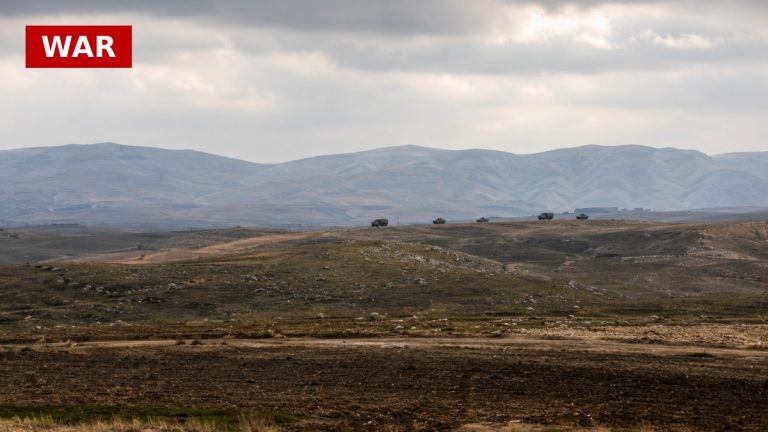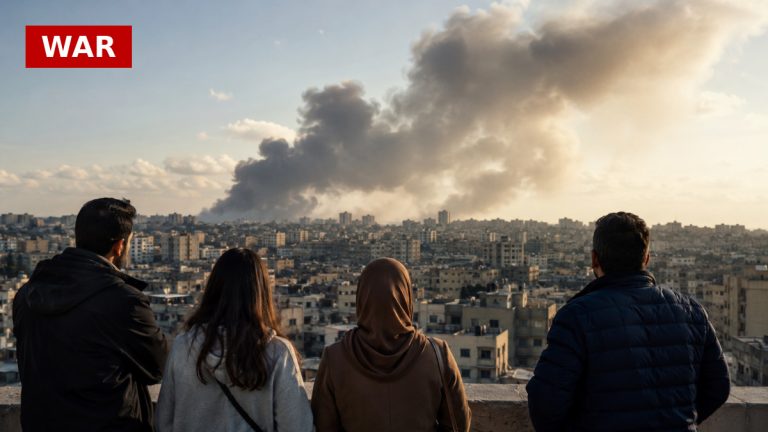
Iran’s recent missile attacks on American forces in the Middle East signal a dangerous escalation in regional tensions. This resurgence of hostilities comes as the U.S. and Saudi Arabia target Iranian-backed militias in Iraq, raising fears of a wider conflict. The immediate impact is felt in the oil markets, with Brent crude prices spiking 3.1% to $84.58 a barrel, reflecting investor anxiety over potential disruptions to global oil supplies.
The conflict also highlights vulnerabilities in U.S. military readiness, as ongoing strikes may deplete munitions stockpiles crucial for defending bases and allies. This could lead to a strategic disadvantage if further military engagement is required. Moreover, the strikes have complicated diplomatic efforts, with a previously optimistic ceasefire now in jeopardy, affecting not just regional security but also global economic stability.
As Iran’s Revolutionary Guard claims responsibility for missile launches, the situation underscores the interconnectedness of conflicts in the region, including the Houthis’ threats against Saudi Arabia. This complex web of hostilities may have long-lasting effects on international relations and energy markets, prompting countries to reassess their strategic priorities.
In the wake of these developments, the Iraqi government has condemned the U.S.-Saudi airstrikes as violations of sovereignty, illustrating the delicate balance of power in the region. As mediators strive to restore calm, the potential for further escalation looms large, with significant implications for both regional and global stability.
Source: PBS News