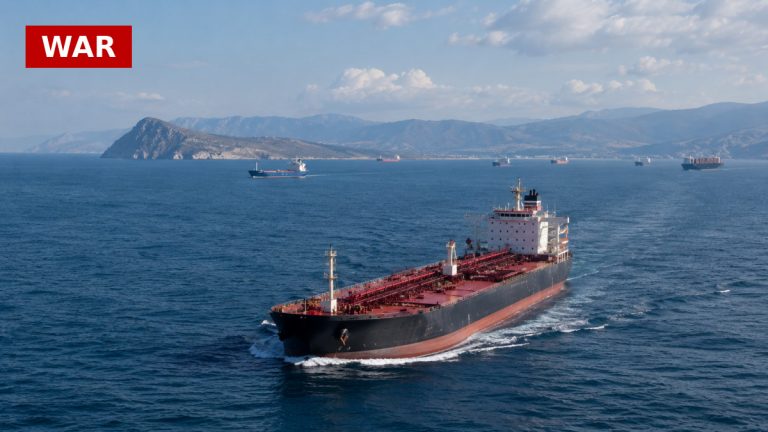
The convergence of the Ukraine and Iran conflicts is creating significant risks for global shipping routes, particularly in the Middle East. With the Strait of Hormuz being a critical chokepoint for oil transport, Saudi Arabia’s call for a maritime defense coalition highlights the urgency of protecting these vital shipping lanes. This coalition could reshape maritime security dynamics, potentially involving multiple nations to safeguard trade routes.
Recent military actions, including Ukrainian strikes on Iranian vessels, illustrate how these conflicts are intertwining, complicating the already precarious situation for maritime operations. The expansion of hostilities into the Caspian Sea and the Black Sea further threatens shipping safety, as vessels face increased risks from both direct attacks and geopolitical tensions.
As shipping companies weigh their options, the choice between navigating dangerous waters or seeking protection from military forces becomes critical. The implications for global trade are profound, as disruptions in these regions could lead to increased costs and delays, affecting everything from fuel prices to consumer goods.
In this evolving landscape, the emergence of a maritime coalition could provide a semblance of stability, but the effectiveness of such a force remains uncertain. The interplay of geopolitical interests and maritime security will continue to shape the future of global shipping, with significant consequences for economies worldwide.
Source: PBS News