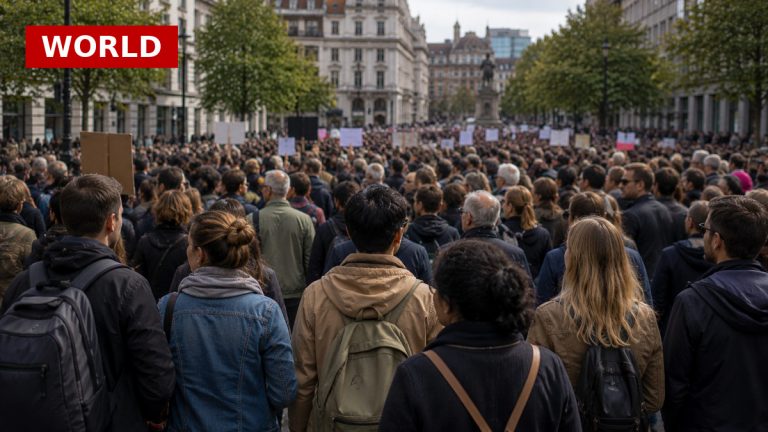
The recent surge of approximately 50,000 migrants crossing into Ceuta from Morocco highlights a significant breakdown in border control and raises urgent humanitarian concerns. This influx, which nearly matches Ceuta’s population, has led to chaotic scenes and tragic loss of life, drawing attention to the vulnerabilities in the EU’s border policies.
The situation is further complicated by the political dynamics between Morocco and Spain, particularly following Spanish Prime Minister Pedro Sánchez’s visit to Algeria. Analysts suggest that Morocco may have intentionally loosened border controls to assert its influence amid regional tensions, particularly regarding the disputed Western Sahara. This tactic not only exacerbates the humanitarian crisis but also tests the EU’s collective response to migration.
As Spain deploys military and police forces to manage the chaos, the incident has sparked a political backlash within Europe, with right-wing factions blaming Spain’s immigration policies for the crisis. The potential for increased border tensions could lead to stricter immigration controls across the EU, impacting future migration flows and the treatment of asylum seekers.
The long-term implications of this event could reshape migration patterns and policies in Europe, as countries grapple with balancing humanitarian responsibilities against national security concerns. The situation in Ceuta serves as a stark reminder of the complexities surrounding migration and the urgent need for cohesive policies that address both humanitarian and political dimensions.
Source: The Guardian