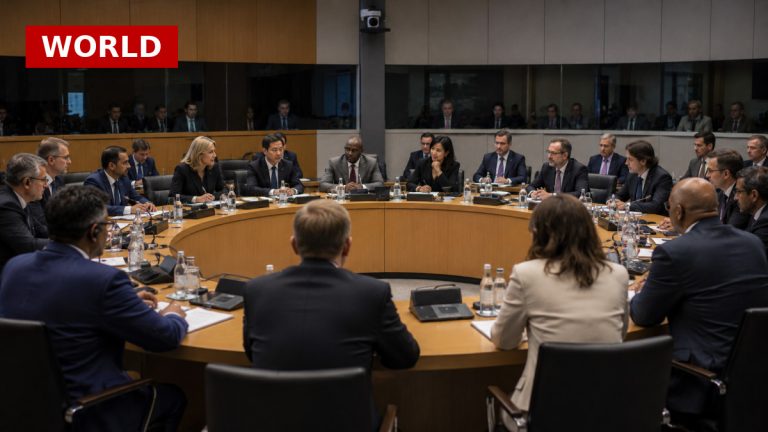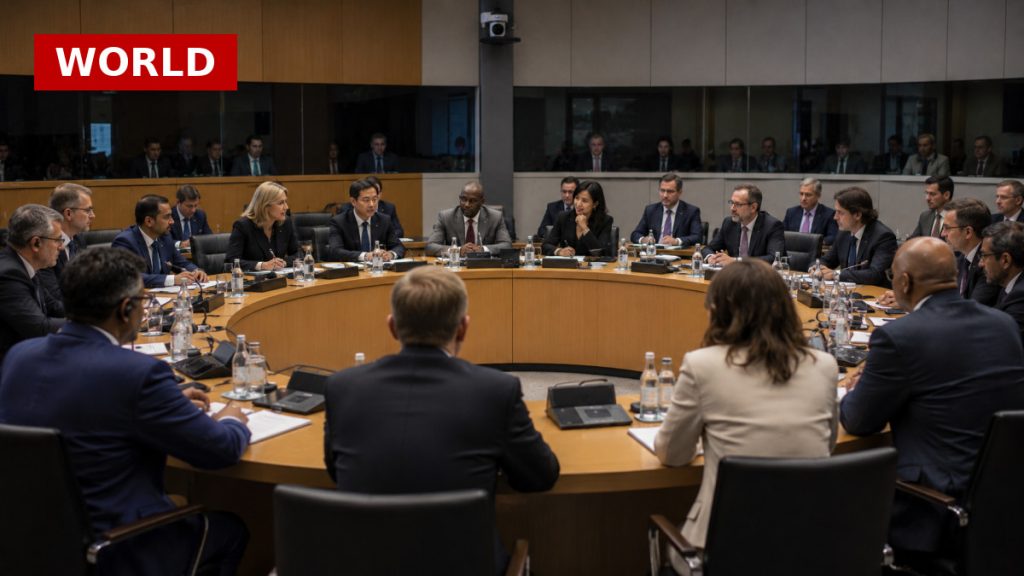
As the world grapples with the implications of artificial intelligence, the relationship between the U.S. and China emerges as a critical factor in global AI governance. Both nations view each other as rivals, complicating efforts to establish a cooperative framework for AI safety. This rivalry not only impacts technological advancement but also poses risks to security and international stability.
The upcoming meeting between U.S. President Donald Trump and Chinese leader Xi Jinping is expected to address AI governance, yet skepticism looms over the potential for meaningful agreements. With both countries vying for AI supremacy, the challenge lies in balancing competition with the necessity for collaboration to mitigate risks associated with rogue AI.
American tech leaders advocate for cooperation to avert worst-case scenarios, but mistrust runs deep. The U.S. accuses China of aggressive tactics to gain access to advanced AI technologies, while China counters that U.S. restrictions aim to monopolize the industry. This dynamic creates a precarious environment, where the lack of trust could hinder any substantial progress.
Ultimately, the future of AI safety hinges on whether these two superpowers can navigate their differences and find common ground. Without a cooperative approach, the risks associated with AI development could escalate, affecting not just the U.S. and China but the global community at large.
Source: PBS News