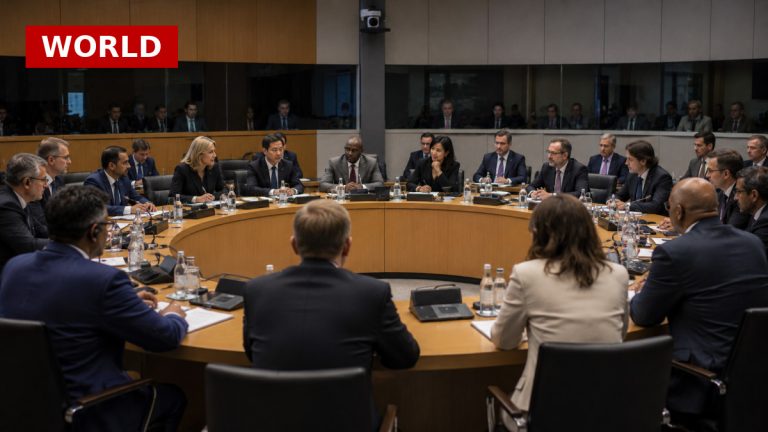
The recent mass crossing at Ceuta has prompted the European Union to call for a coordinated response to illegal migration. European Commission President Ursula Von der Leyen emphasised the need for united action among member states to address the crisis effectively. This incident has not only heightened tensions within the EU but has also intensified anti-immigrant sentiments, particularly among right-wing politicians across Europe.
The situation in Ceuta, a Spanish enclave in North Africa, has sparked diplomatic strains, notably between Spain and Italy. The urgency of the matter has led to an emergency video conference of EU interior ministers, scheduled for August 3, to discuss potential strategies and reinforce border security measures. This meeting underscores the growing pressure on EU leaders to find a cohesive approach to migration challenges.
The implications of this crisis extend beyond immediate border control. It may influence national policies and public opinion on immigration across Europe, potentially reshaping political landscapes in various countries. As member states grapple with these issues, the EU’s response could set a precedent for future migration policies and cooperation.
In the long term, the EU’s handling of this situation may affect its credibility and unity. A failure to present a united front could embolden anti-immigrant factions and complicate future negotiations on migration and asylum policies, impacting the lives of many seeking refuge in Europe.
Source: France 24