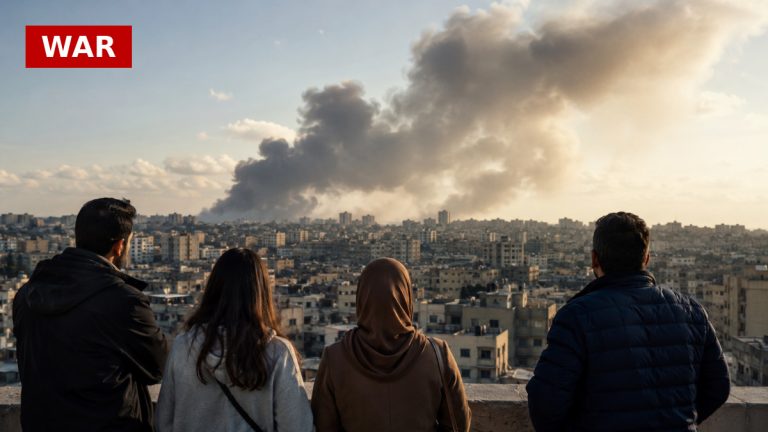
Recent airstrikes in Zaporizhzhia, Ukraine, have highlighted a dangerous escalation in the ongoing conflict. Russian forces dropped glide bombs on residential areas, resulting in civilian casualties and significant damage to infrastructure. This attack not only raises immediate humanitarian concerns but also signals a shift in military strategy, as Russia intensifies its aerial bombardment of urban centres.
Simultaneously, Ukraine’s drone capabilities are evolving, with strikes deep into Russian territory causing casualties and disrupting logistics. The dual nature of these attacks underscores a broader strategy by both nations to leverage technology in warfare, with Ukraine seeking to pressure Russia into negotiations through targeted strikes.
The implications of these developments extend beyond the battlefield. As Ukraine strengthens military ties with multiple countries, the potential for increased international support could alter the dynamics of the conflict. This could lead to a more prolonged engagement, impacting global energy markets and security policies.
Moreover, the humanitarian toll continues to rise, with civilians caught in the crossfire. The urgent need for enhanced air defense systems in Ukraine is becoming increasingly clear, as the country grapples with the devastating effects of sustained aerial assaults. The situation remains fluid, with both sides adapting their tactics in response to the evolving landscape of the war.
Source: PBS News