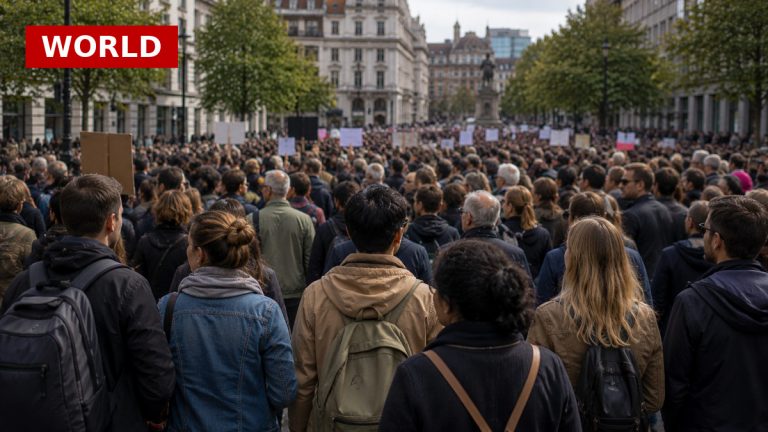
Protests are intensifying in British Columbia as activists attempt to halt the logging of the province’s last remaining old-growth forests. These ancient trees, some over a thousand years old, are crucial for carbon storage and biodiversity, yet they are being felled at alarming rates. The logging threatens not only the environment but also the cultural heritage of Indigenous communities, who view these forests as vital to their identity and history.
The ongoing conflict highlights a significant tension between economic development and environmental conservation. While the provincial government aims to boost timber harvests to support the forestry sector, critics argue that this approach undermines long-term ecological health and the livelihoods dependent on tourism and conservation.
Activists are drawing parallels to past timber wars, where similar protests led to significant legal protections for forests. However, the current situation raises questions about the effectiveness of temporary logging deferrals and whether they can truly safeguard these irreplaceable ecosystems.
As the logging continues, the implications extend beyond local communities, affecting global climate efforts. The loss of these forests could hinder carbon reduction goals, making it imperative for policymakers to find a sustainable balance that respects both economic needs and environmental integrity.
Source: PBS News