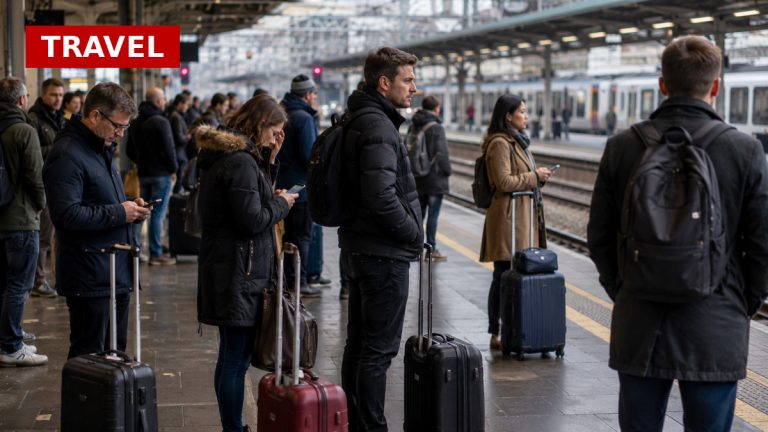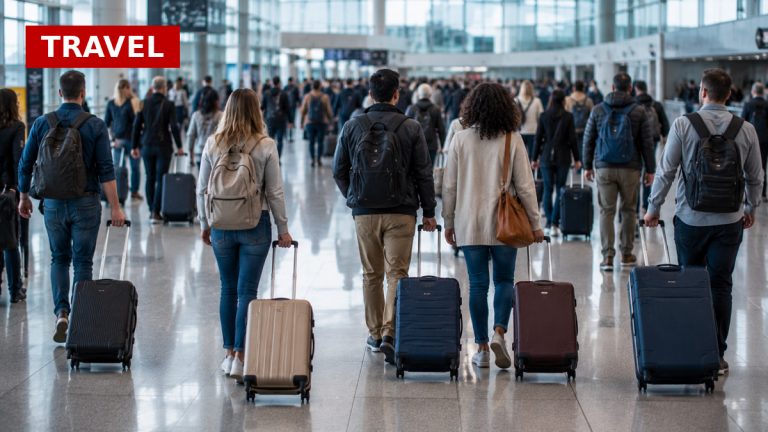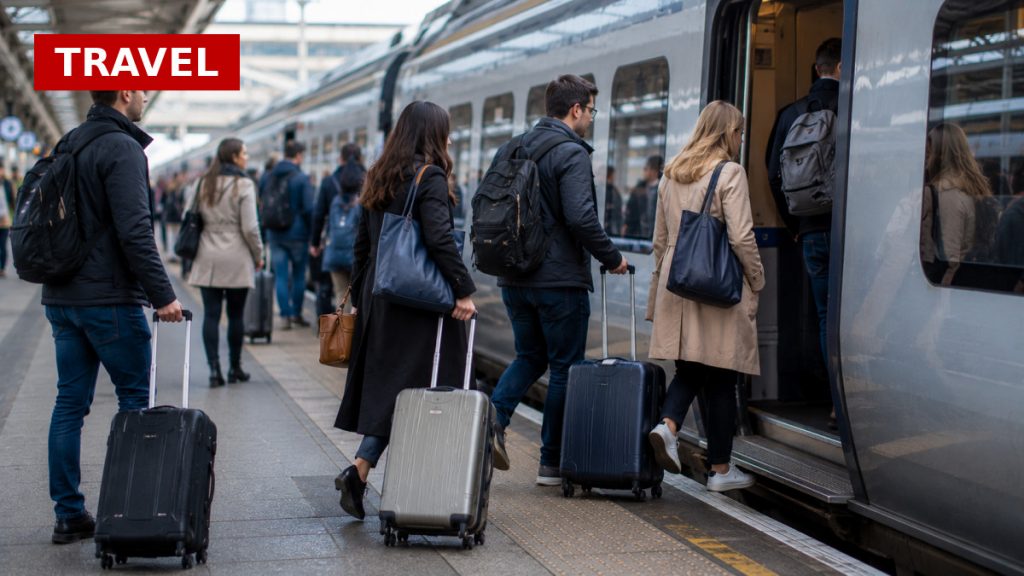
The ongoing conflict involving Iran is causing significant disruptions to travel plans for many holidaymakers across Europe. With airlines avoiding large swathes of airspace, families are facing longer flight times and unexpected cancellations, leading to a surge in demand for closer-to-home destinations. As a result, popular European locations like Italy, Spain, and Greece are seeing an increase in bookings, while traditional routes through the Middle East are being heavily impacted.
Travel agencies are reporting thousands of cancellations and rearrangements, as the UK Foreign Office’s travel advisories have prompted many to reconsider their plans. This shift not only affects individual travellers but also has broader implications for the tourism industry, which is still recovering from the pandemic. The increased preference for package holidays offers a layer of protection against potential disruptions, as travellers seek reassurance amid the uncertainty.
Airlines are also feeling the financial strain, with rerouted flights consuming more fuel and time, which could lead to higher ticket prices in the long run. The added costs may be passed on to consumers, further complicating holiday budgets. Additionally, the strain on pilots and air traffic controllers due to increased workloads raises safety concerns, as they navigate unfamiliar routes.
The ripple effects extend beyond the immediate conflict zones, impacting destinations reliant on Middle Eastern air traffic. For instance, Sri Lanka has seen a significant drop in bookings, highlighting how interconnected global travel is. As the situation evolves, holidaymakers may need to adapt their travel habits, prioritising safety and convenience over distant adventures.
Source: Al Jazeera