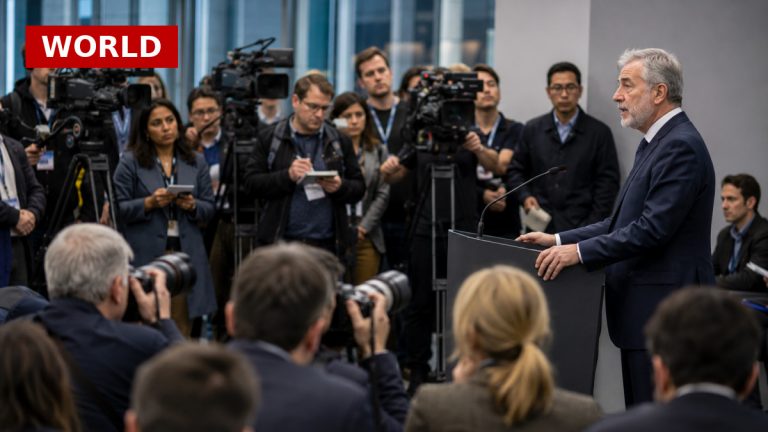
Israeli Prime Minister Benjamin Netanyahu’s recent dismissal of a US-backed 15-point peace plan for Gaza marks a significant turning point in Middle Eastern politics. By insisting that Israel will not withdraw its military until Hamas is fully disarmed, Netanyahu is not only challenging US authority but also reinforcing his position domestically as a staunch defender of Israeli security.
This public break with Donald Trump comes at a critical time, as both leaders face upcoming elections. Netanyahu’s rejection of the plan could complicate US efforts to broker peace in the region, particularly as the Biden administration grapples with a shifting political landscape in the US, where support for Israel is increasingly questioned.
The implications of this rejection extend beyond immediate military concerns. It could hinder US attempts to stabilize the region, especially in light of interconnected conflicts in Gaza, Lebanon, and Iran. As the US seeks to lower oil prices and navigate its own political pressures, Netanyahu’s stance may force a reevaluation of US-Israel relations.
Ultimately, this situation highlights the fragility of alliances in the Middle East and the potential for a realignment of power dynamics. With both nations entering turbulent electoral periods, the future of US-Israel relations hangs in the balance, raising questions about the long-term viability of peace efforts in the region.
Source: The Guardian