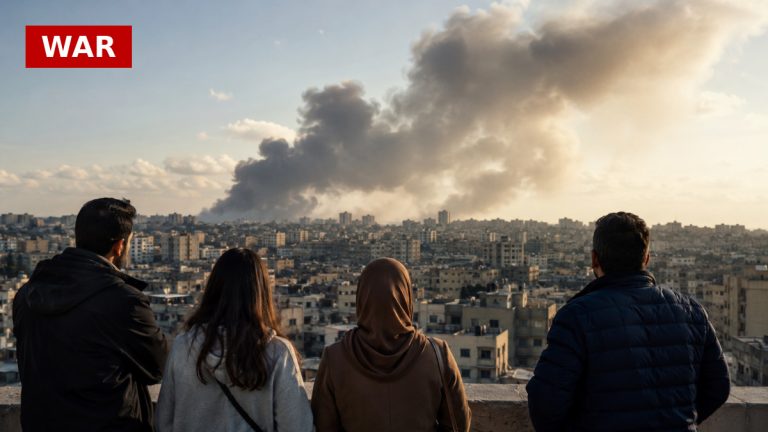
In a rare interview, Brigadier General Mohammad Reza Naqdi, a top adviser to Iran’s Revolutionary Guard Corps (IRGC), shared insights on the ongoing war and Iran’s military strategy. This interview is significant as it marks an unusual openness from the IRGC, which is typically secretive and seldom engages with Western media. Naqdi’s comments suggest a perception of victory for Iran, claiming that the U.S. has failed in its objectives and that the longer the conflict continues, the more experience Iran gains in warfare.
Naqdi indicated that Iran’s strategy may involve prolonging the conflict to deter future attacks, particularly as the U.S. approaches a presidential election. This tactic could have implications for international relations and military engagements in the region, as it suggests Iran is willing to endure a drawn-out conflict to secure its position. The IRGC’s approach to controlling maritime routes, including recent attacks on civilian vessels, raises questions about international law and the rules of engagement during wartime.
The interview also highlighted Iran’s missile capabilities, with Naqdi asserting that the country continues to manufacture missiles at a rapid pace. This assertion underscores the ongoing arms race and the potential for escalation in military tensions. As Iran seeks to project strength, the implications for regional security and global trade routes, particularly through the Strait of Hormuz, could be profound.
Overall, Naqdi’s statements reflect a confidence in Iran’s military strategy and a willingness to engage in a protracted conflict, which could reshape the geopolitical landscape in the Middle East and beyond. The interview serves as a reminder of the complexities involved in international diplomacy and military strategy, particularly in a region marked by longstanding tensions.
Source: PBS News