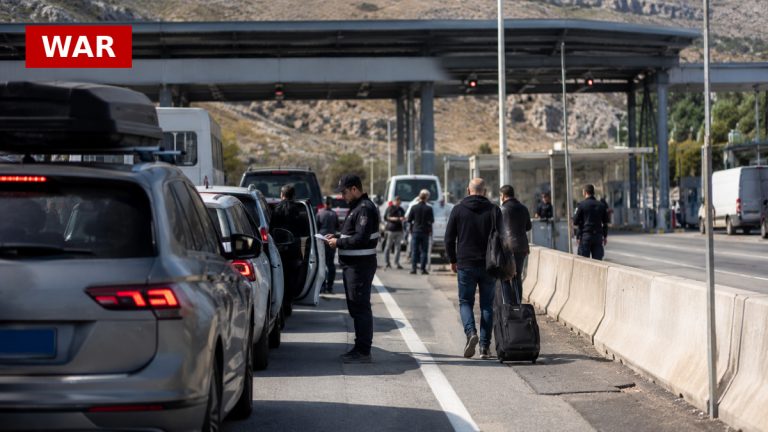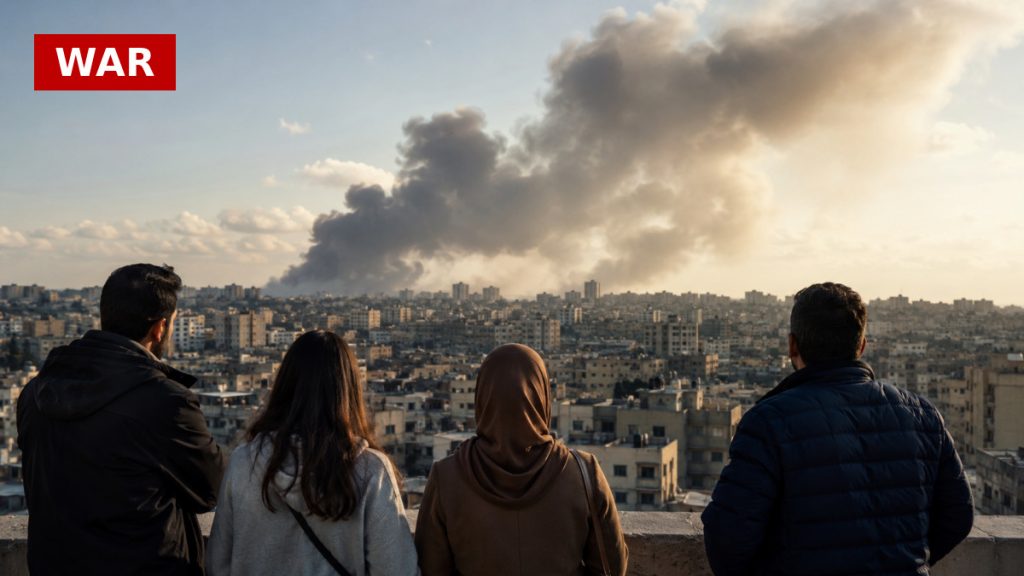
The recent Israeli strikes in southern Lebanon have raised significant concerns regarding international law and humanitarian principles. Prime Minister Nawaf Salam has condemned these actions as a blatant violation, arguing that the destruction of civilian infrastructure cannot be justified by claims of military necessity. This situation highlights the fragility of the ceasefire, which has been increasingly threatened by ongoing military operations.
The implications of these strikes extend beyond immediate casualties and damage. With over a million people displaced and thousands killed since March, the humanitarian crisis in Lebanon is deepening. The ongoing conflict not only destabilizes the region but also complicates international diplomatic efforts aimed at achieving a lasting peace.
Moreover, the U.S. has proposed a substantial security assistance package for Lebanon, linking it to the disarmament of Hezbollah. This reflects a broader strategy to stabilize the region, but it also underscores the complexities of Lebanon’s political landscape, where military and political resolutions remain elusive.
As tensions continue to rise, the situation serves as a warning sign of the potential for further escalation. The international community’s response will be crucial in determining whether Lebanon can navigate this precarious moment without descending into deeper conflict.
Source: Al Jazeera