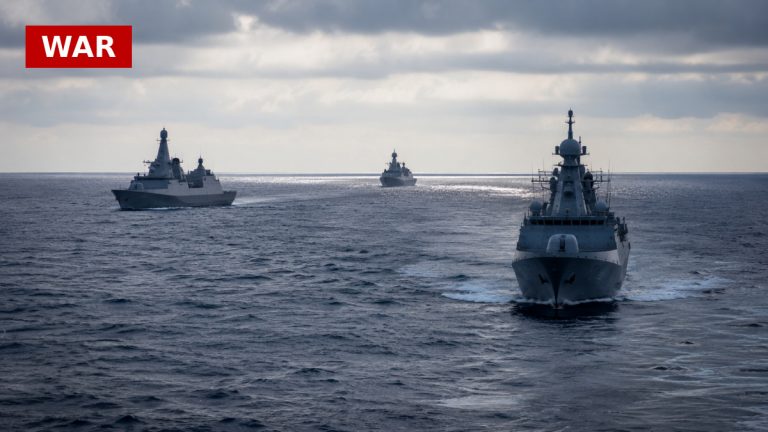
The recent decision to cut short the Ulchi Freedom Shield military exercises between the US and South Korea has raised eyebrows, particularly regarding its implications for regional security. Originally scheduled to run for a week, the drills will now conclude six days early, a move reportedly requested by the US. This shift comes as former President Donald Trump expresses a desire to rekindle talks with North Korea’s Kim Jong-un, which may signal a significant change in US military strategy in the region.
The reduction of these joint exercises, which have been a cornerstone of US-South Korea military cooperation since the Korean War, could have far-reaching consequences. Analysts suggest that this could embolden North Korea, as it may interpret the scaling back of military readiness as a sign of weakness or a shift in US commitment to South Korean defense. Furthermore, the abrupt nature of this decision has left South Korean officials feeling blindsided, raising concerns about the transparency and coordination between the two allies.
Historically, similar reductions in military drills have occurred prior to diplomatic engagements, but this instance is unique as it unfolds mid-exercise. The potential for future negotiations between Trump and Kim could lead to further reductions in military presence or exercises, which would fundamentally alter the security landscape in East Asia. South Korea’s government is now faced with the challenge of balancing its military readiness with the diplomatic overtures from the US.
As the situation develops, the implications for South Korea’s defense strategy and its relationship with the US will be closely monitored. The outcome of these diplomatic efforts could redefine military cooperation in the region, impacting not only South Korea but also the broader geopolitical dynamics involving China and Japan.
Source: The Guardian