The US has announced plans for unprecedented sanctions against Iran, threatening to punish any country that continues to do business with Tehran. This move is part of a broader strategy to economically isolate Iran, which could have significant repercussions for global oil markets and international trade relations. Countries reliant on Iranian oil may face tough choices, potentially leading to increased energy prices and supply chain disruptions.
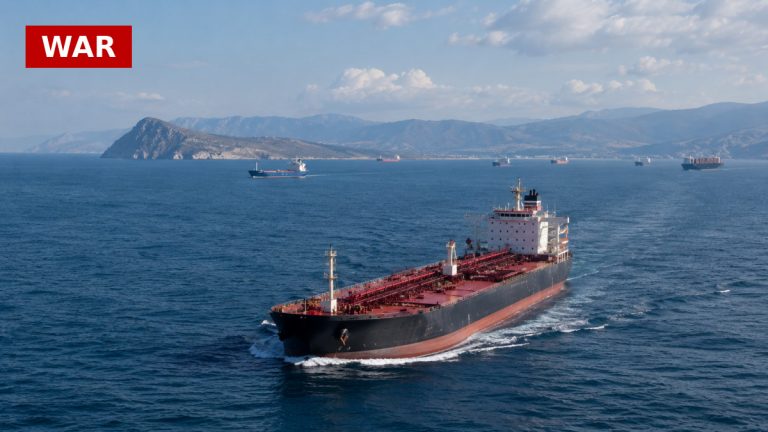
Iran has responded defiantly, warning that any nation participating in these sanctions will be viewed as an enemy. This rhetoric raises concerns about regional stability, particularly in the Gulf, where Iran has threatened to disrupt oil exports through critical chokepoints. Such actions could escalate tensions and lead to military confrontations, impacting not just the Middle East but also global energy security.
The sanctions could also trigger a shift in alliances, as countries weigh their economic interests against US pressure. Nations that continue to engage with Iran may find themselves facing US penalties, creating a complex geopolitical landscape. This could lead to a realignment of trade partnerships, particularly among countries that are traditionally aligned with the US but are economically tied to Iran.
As the situation unfolds, businesses and governments worldwide will need to navigate the implications of these sanctions carefully. The potential for increased costs and supply chain challenges could affect everything from fuel prices to consumer goods, making this a critical issue for economies globally.
Source: Al Jazeera