As the US intensifies sanctions against Iran, Gulf states are caught in a precarious position. The new strategy, dubbed “Operation Economic Outcast,” aims to isolate Tehran economically, but it raises concerns about potential Iranian retaliation. Gulf nations, particularly those with strong ties to the US, must balance their security needs with the risk of escalating tensions in the region.
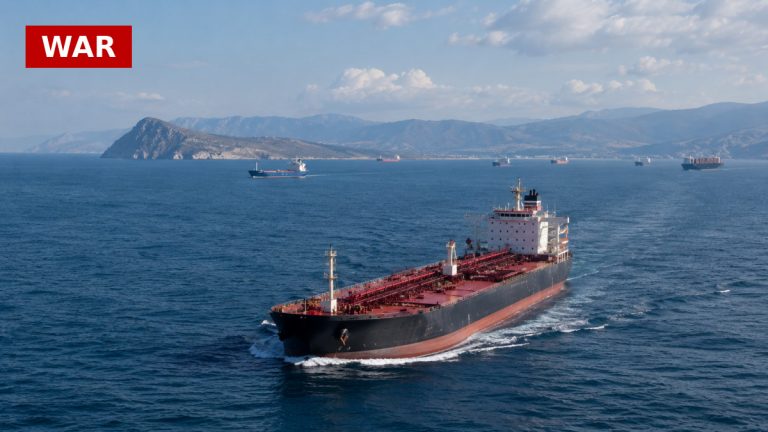
The sanctions target critical sectors of Iran’s economy, including digital assets and shipping, but analysts warn that this could provoke Iran to strike back at US interests in the Gulf. With the Strait of Hormuz being a vital shipping route for global oil supplies, any disruption could have significant implications for energy prices and security in the region.
While the UAE has moved to cut ties with Iran, other Gulf countries like Saudi Arabia and Qatar may hesitate, fearing the loss of diplomatic channels. This complex web of relationships highlights the challenges faced by Gulf states as they navigate US demands while trying to maintain regional stability.
Ultimately, the effectiveness of these sanctions will depend on the willingness of major economies to comply and the potential for Iran to retaliate. The situation underscores the delicate balance of power in the Gulf and the long-term implications for US foreign policy in the region.
Source: Al Jazeera