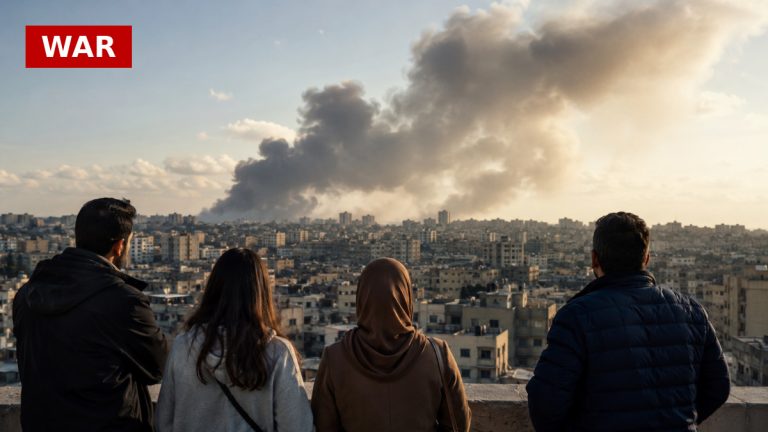
Recent reports highlight a disturbing trend in the Ukraine conflict, where Russian drones are increasingly targeting civilians in what has been termed ‘human safaris.’ This tactic, which has been condemned as a war crime by the UN, involves drones hunting down unarmed individuals, creating a climate of fear among the population.
The implications of these drone strikes extend beyond immediate casualties. Civilians are adapting their daily routines to avoid becoming targets, with many only venturing outside in poor weather conditions when drones are less effective. This constant threat alters not just individual behaviours but also community dynamics, as people feel compelled to relocate for safety.
Moreover, the psychological toll on civilians is profound. Witnesses report living in a state of heightened anxiety, with some abandoning safety measures like seatbelts to escape quickly if targeted. This reflects a broader strategy of terror aimed at destabilising civilian life and forcing population displacement.
As these tactics continue, the international community faces pressure to respond. The ongoing impunity for such actions raises concerns about the future of warfare and the protection of civilians in conflict zones. The situation in Ukraine serves as a stark reminder of the evolving nature of warfare and its devastating impact on everyday lives.
Source: France 24