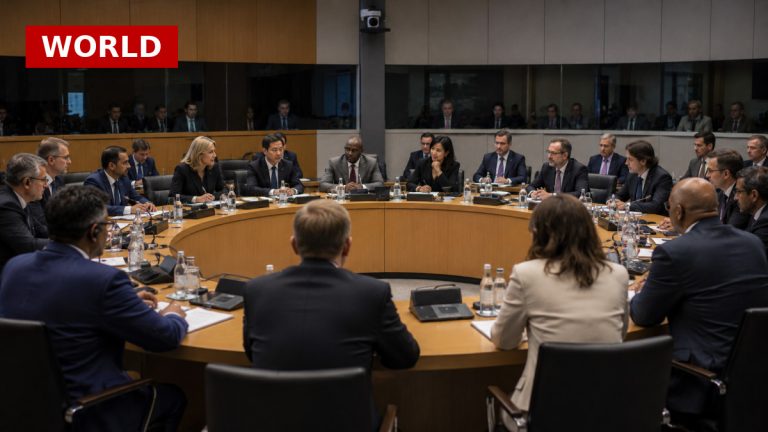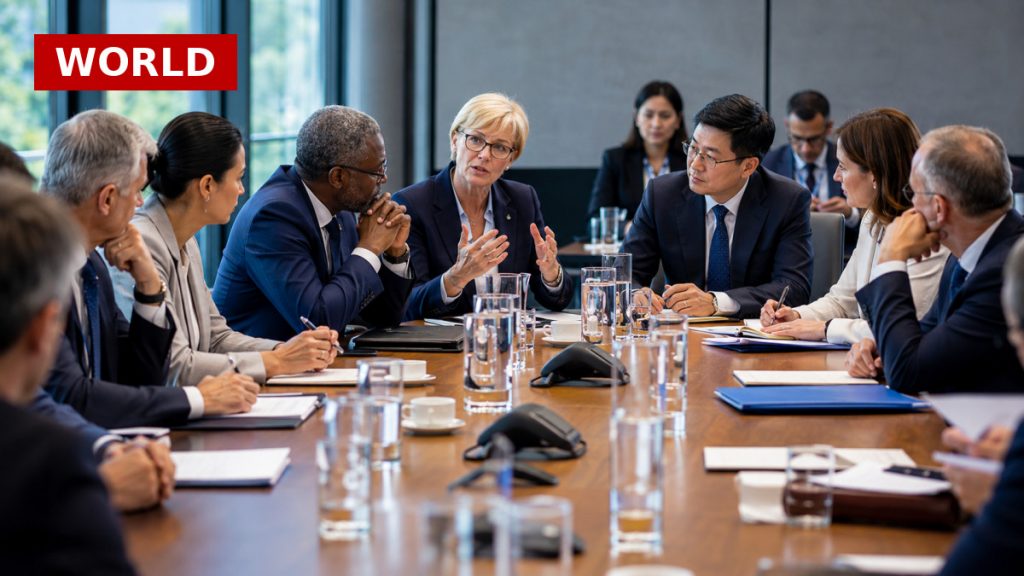
The recent invitation extended to Russia’s finance minister at the G20 meeting in Asheville has raised eyebrows among European leaders. This move, seen as a troubling signal, comes amidst ongoing tensions related to the war in Ukraine and the US’s strained relations with Canada. German Finance Minister Lars Klingbeil expressed dissatisfaction, highlighting a unified EU stance against Russia’s participation, which they believe undermines the gravity of the situation.
The exclusion of key US press members from the event further complicates matters, as major outlets like Bloomberg and the Wall Street Journal reported limited access. This has sparked criticism from journalists and political figures alike, who argue that transparency is essential for public trust. Klingbeil’s remarks underscore the importance of open reporting, especially during such pivotal discussions.
Additionally, the backdrop of the G20 meeting includes the US’s push for intensified sanctions against Iran, which adds another layer of complexity to the discussions. The US Treasury Secretary’s dialogue with the Russian minister was framed as a warning against economic relief for Russia until its military actions cease, but the invitation itself has been interpreted as a sign of leniency.
As these geopolitical dynamics unfold, the implications for international relations and economic policies are significant. The US’s approach may influence how European nations engage with Russia and could set a precedent for future diplomatic interactions, potentially affecting global economic stability.
Source: DW News