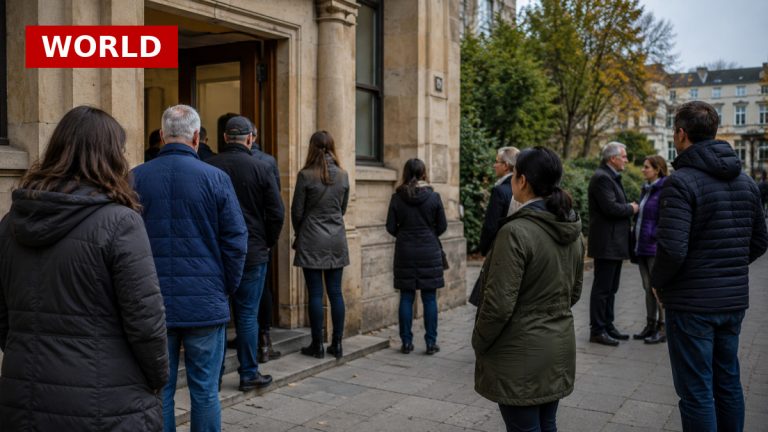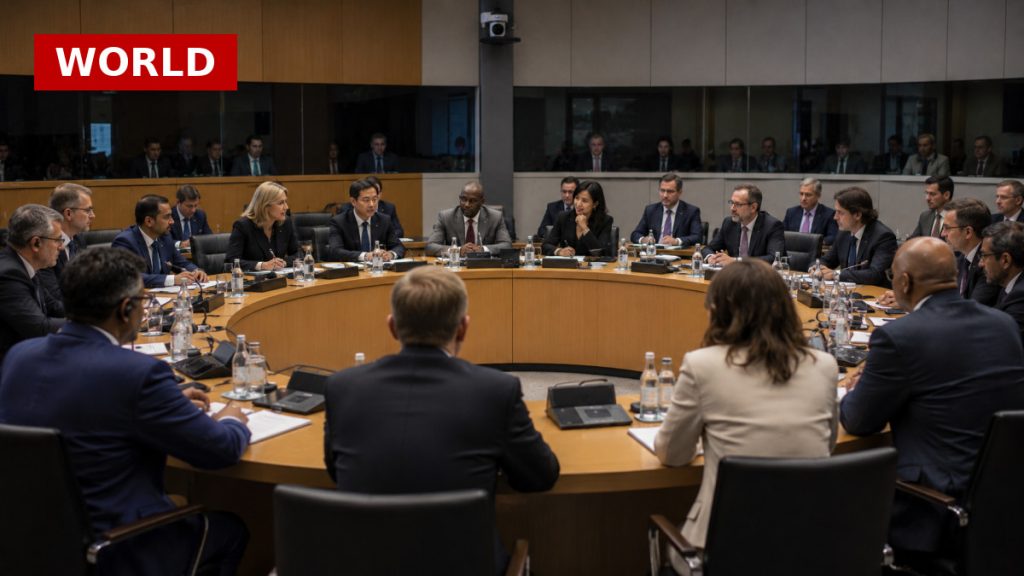
Kazakhstan has embarked on a significant political transformation following its first parliamentary election on August 23. This election established the Kurultai, a new unicameral legislature, replacing the previous bicameral system. The shift reflects a broader commitment to modernise governance and enhance national identity, as the term ‘Kurultai’ resonates with the country’s historical roots in Turkic culture.
The new electoral system allows voters to select political parties rather than individual candidates for the Kurultai, which could reshape political dynamics and party accountability. With five parties gaining representation, the dominant Adilet party secured a remarkable 110 out of 145 seats, indicating a potential consolidation of power that may influence future policy directions.
This reform also coincides with a demographic shift, as over 127,000 new voters have entered the electorate, signalling changing values among the younger generation. This shift could lead to evolving political priorities and increased engagement in governance, particularly as Kazakhstan navigates its relationships with major powers like Russia and China.
As the Kurultai convenes, the appointment of key officials, including the first vice president, marks a pivotal moment in Kazakhstan’s governance. The establishment of the Kazakhstan People’s Council later this month aims to further incorporate diverse voices into the political landscape, potentially fostering a more inclusive approach to governance in the years to come.
Source: Euronews