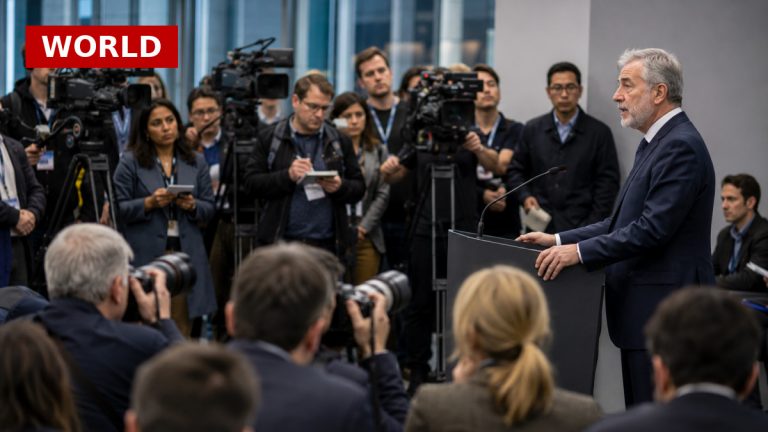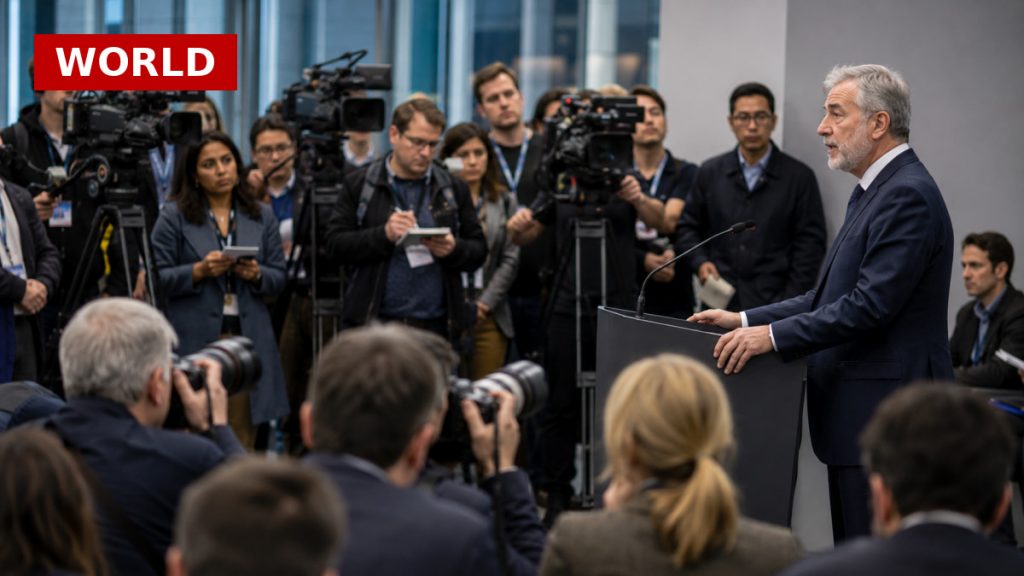
Ukraine’s prosecutor general, Ruslan Kravchenko, has resigned amid a significant corruption investigation that has unveiled a criminal network within his office. This group allegedly accepted bribes from fraudulent call centres, facilitating their operations while laundering millions of euros in illicit proceeds. The implications of this scandal extend beyond individual accountability, potentially undermining public trust in Ukraine’s judicial system and its ongoing fight against corruption.
The investigation, led by anti-corruption agencies NABU and SAPO, has already resulted in the detention of key officials, including Serhii Kropyva, a deputy head in Kravchenko’s office. The allegations suggest a deep-rooted issue within the prosecutor’s office, raising concerns about the integrity of legal processes in Ukraine. As the country strives for reform and alignment with European standards, such scandals could hinder progress and deter foreign investment.
Kravchenko’s resignation is framed as a political decision to prevent his role from becoming a tool for political strife. However, the timing raises questions about the effectiveness of Ukraine’s anti-corruption measures. With ongoing investigations and potential further arrests, the fallout from this scandal could reshape the landscape of Ukraine’s governance and its approach to corruption.
As the situation develops, the focus will be on how Ukraine’s leadership responds to these challenges. The outcome may influence public perception and the future of anti-corruption initiatives, which are crucial for the country’s stability and international relations. The ramifications of this scandal could resonate well beyond Ukraine’s borders, affecting its diplomatic ties and economic prospects.
Source: Euronews