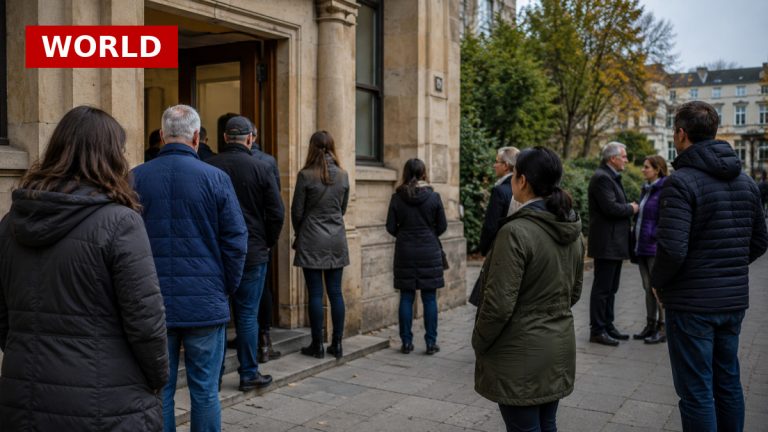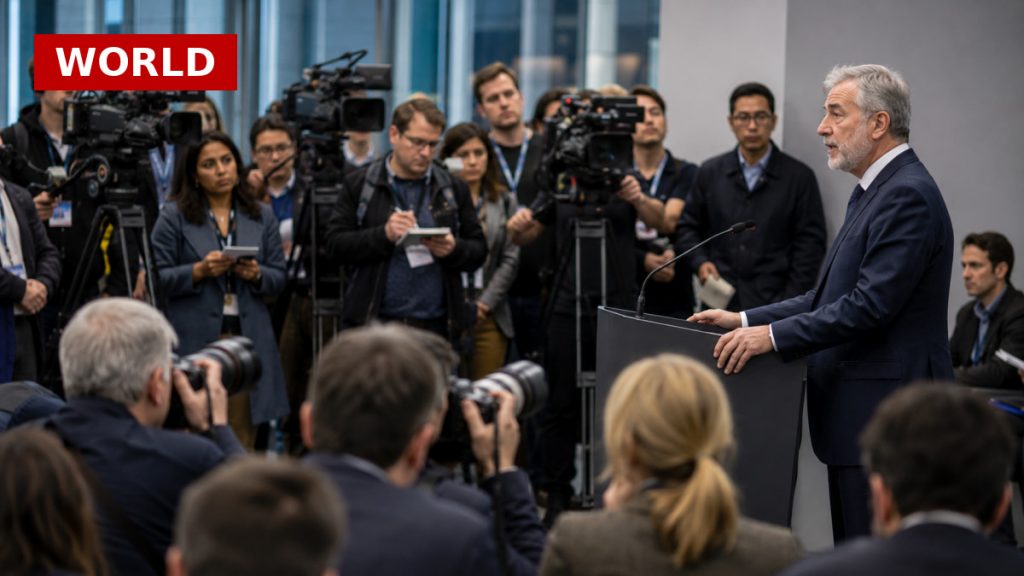
Serbia is set to hold snap elections on October 25, following President Aleksandar Vucic’s decision to dissolve parliament amid mounting public pressure. This political shift comes after nearly two years of protests, primarily led by students, demanding accountability and transparency from the government. The protests intensified after a tragic railway station collapse in Novi Sad, which protesters attribute to corruption and poor construction practices.
Vucic, who has been in power for over a decade, plans to run for prime minister despite being barred from seeking another presidential term. His administration has faced accusations of authoritarianism and links to organized crime, which have fueled public discontent. The upcoming elections are seen as a critical juncture for Serbia, as they may determine the country’s political direction and its aspirations for EU membership.
The protests have highlighted significant societal divisions, with many citizens expressing frustration over the perceived erosion of democratic norms. Vucic’s government has responded to dissent with a heavy hand, leading to numerous detentions during demonstrations. As the election date approaches, the political landscape remains volatile, with the potential for further unrest depending on the election outcomes.
The implications of these elections extend beyond Serbia’s borders, as the country’s ties with Russia and China could influence regional stability and EU relations. Observers will be watching closely to see if the elections can restore public trust and address the underlying issues that have led to widespread protests.
Source: DW News