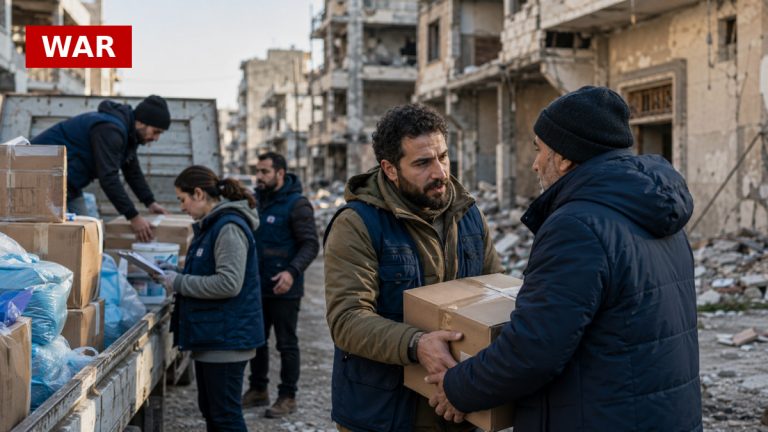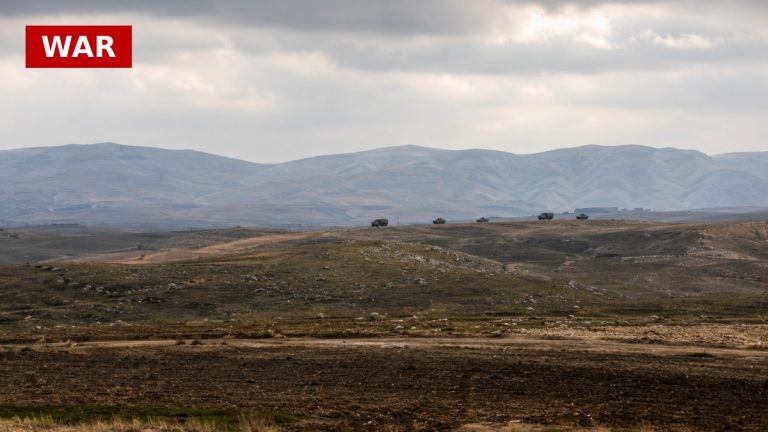
As winter approaches, Ukraine faces dire humanitarian challenges exacerbated by intensified Russian attacks. With daily missile strikes targeting civilian infrastructure, including hospitals and food distribution centres, the situation is rapidly deteriorating. This escalation not only increases casualties but also leads to severe shortages of essentials like food and water, putting immense pressure on the Ukrainian populace.
The impact of these attacks is profound, as they threaten to plunge millions into a winter of suffering. Russia’s strategy appears to be one of attrition, aiming to break the spirit of the Ukrainian people through relentless violence. This creates a cycle of fear and desperation that could lead to further displacement and hardship for civilians caught in the conflict.
Western democracies are grappling with how to respond effectively to this ongoing crisis. The hesitation to intervene decisively stems from a complex mix of political ambivalence and strategic miscalculations. As the conflict drags on, the risk of it becoming a prolonged ‘forever war’ increases, with both Ukrainian and Russian civilians bearing the brunt of the consequences.
Ultimately, the urgency for a robust international response cannot be overstated. Without significant intervention and support for Ukraine, the humanitarian crisis is set to worsen, leading to long-lasting impacts on the region and beyond. The need for peace negotiations and humanitarian aid has never been clearer, as the world watches the situation unfold with growing alarm.
Source: The Guardian