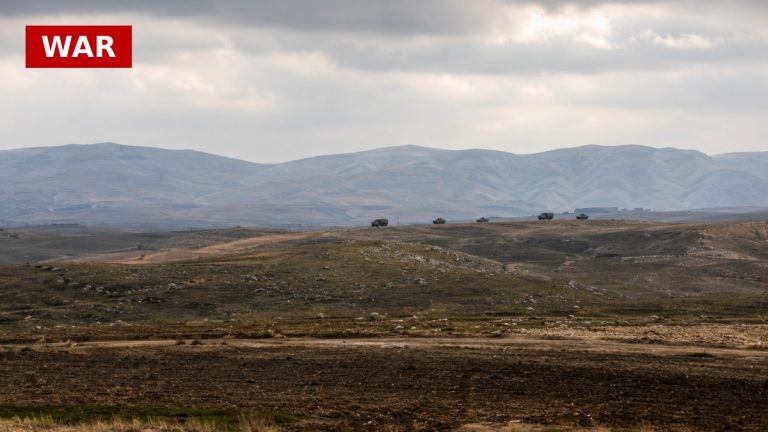
Iraq’s recent closure of three border crossings to Iran highlights the escalating tensions in the region following drone strikes on Saudi Arabia’s oil infrastructure. The Iraqi government has confirmed that these attacks originated from its territory, prompting a significant security response. This move not only aims to prevent the escape of potential attackers but also reflects Iraq’s precarious position amid Iranian influence and regional hostilities.
The closure of crossings such as Shalamcheh and Mandali could disrupt trade and movement between Iraq and Iran, affecting local economies that rely on cross-border commerce. As Iraq investigates the drone launch sites, the implications extend beyond immediate security concerns, potentially straining Iraq-Iran relations and complicating diplomatic efforts.
Saudi Arabia’s temporary suspension of the East-West oil pipeline due to these attacks poses a significant challenge for its oil exports, which are crucial for the global market. The pipeline’s closure could lead to increased oil prices, impacting economies worldwide and heightening tensions in an already volatile region.
As the situation develops, the interplay between military actions, economic repercussions, and diplomatic negotiations will be critical. The Iraqi government’s response and the outcomes of the investigations will likely shape the future of regional stability and influence the broader geopolitical landscape.
Source: Al Jazeera