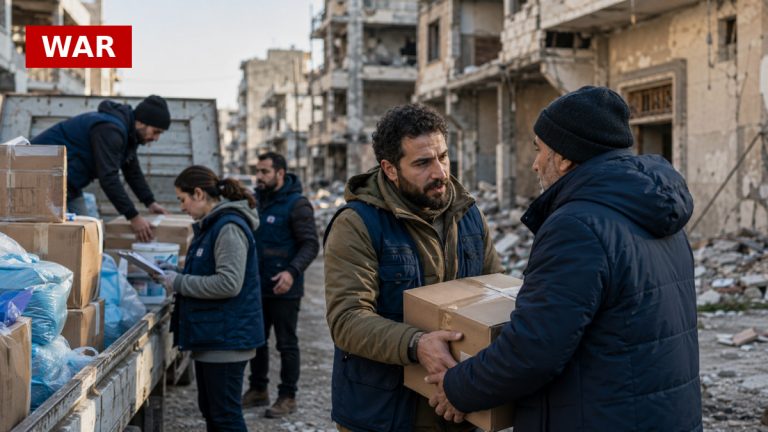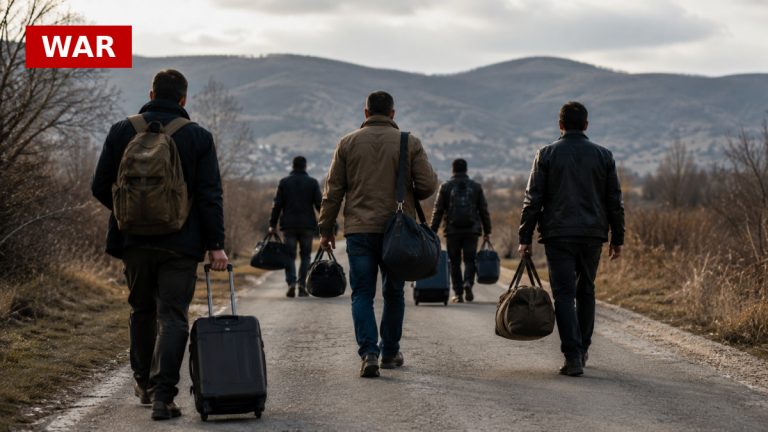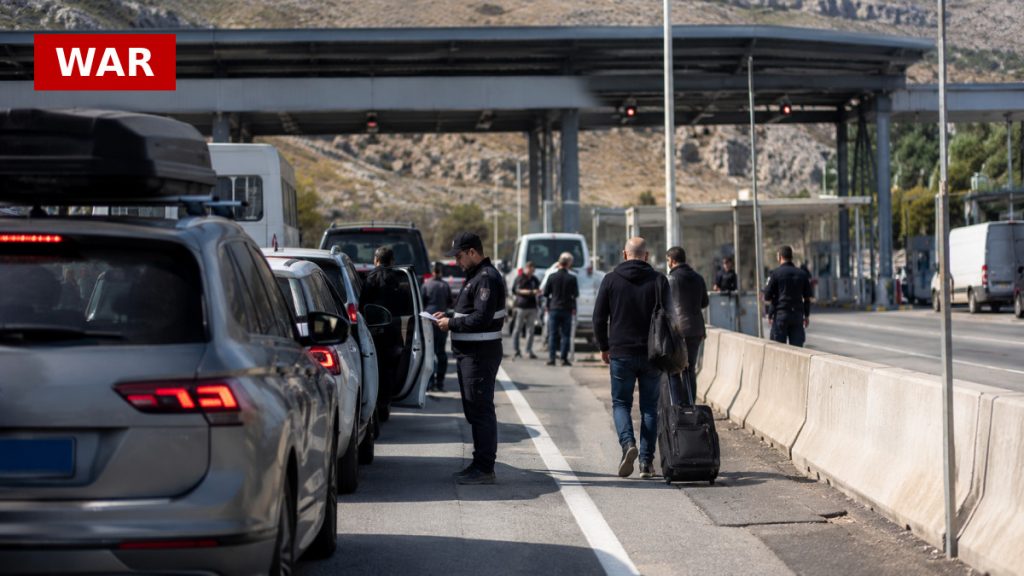
Recent Israeli airstrikes in southern Lebanon have resulted in at least eight fatalities, raising concerns about the stability of the region. Despite a ceasefire agreement, these attacks highlight a troubling trend of escalating violence that could have wider implications for the Middle East. The ongoing conflict has already displaced over 1.6 million people in Lebanon, which is about one-fifth of the country’s population, and has drawn international attention to the humanitarian crisis unfolding there.
For UK readers, the situation in Lebanon may seem distant, but it underscores the fragility of peace in the region. As the UK has interests in Middle Eastern stability, any escalation could affect diplomatic relations and security policies. Moreover, the humanitarian fallout may lead to increased calls for aid and support from the UK government, impacting public spending priorities.
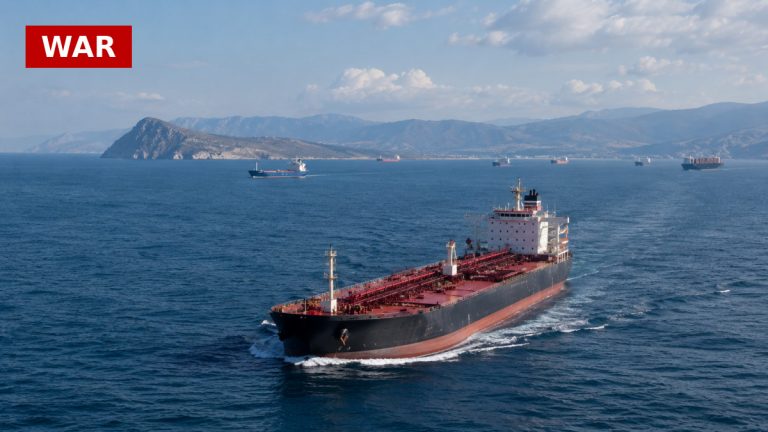
The conflict’s ripple effects could also influence energy markets, particularly if tensions disrupt oil supplies. Given that the UK relies on global energy markets, any instability in the Middle East could lead to fluctuations in fuel prices, affecting household budgets and transportation costs.
As the situation develops, it’s crucial for UK citizens to stay informed about how international conflicts can impact domestic life, from economic repercussions to humanitarian responsibilities. Understanding these connections can foster a more engaged and informed public, ready to respond to the complexities of global issues.
Source: Al Jazeera