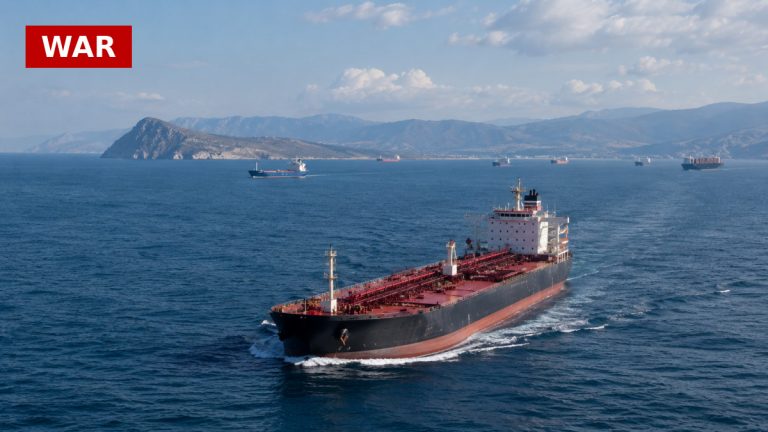
The ongoing conflict between the US and Iran is rapidly expanding, with significant implications for global energy supplies and economic stability. Recent airstrikes by Saudi Arabia in Iraq, coordinated with the US, have intensified the situation, drawing in multiple countries and risking a broader regional war. This escalation threatens to disrupt oil supplies, particularly through the Strait of Hormuz, a critical chokepoint for global energy transport.
As tensions rise, the Houthis in Yemen have begun targeting shipping routes in the Red Sea, further complicating international trade. Their actions have already led to increased shipping costs and insurance premiums, impacting global markets. If the conflict continues to escalate, it could lead to a recession, affecting economies far beyond the Middle East.
The fragile balance in Iraq is also at risk, as local leaders distance themselves from the US-led military actions. This could destabilize the region further, allowing Iran to strengthen its influence through allied militias. The potential for a wider conflict raises alarm bells for global security and economic health, as nations scramble to protect their interests.
In response to these developments, Saudi Arabia is forming an international coalition to safeguard shipping in the Red Sea. However, the effectiveness of such measures remains uncertain, and the situation continues to evolve, with the possibility of further military actions looming on the horizon.
Source: The Guardian