The recent procedural approval of a sweeping sanctions bill in the US House of Representatives signals a significant escalation in the West’s response to Russia’s ongoing aggression in Ukraine. This legislation, championed by the late Senator Lindsey Graham, aims to impose stringent sanctions on Russian officials and military figures, as well as foreign suppliers aiding Russia’s defense sector.
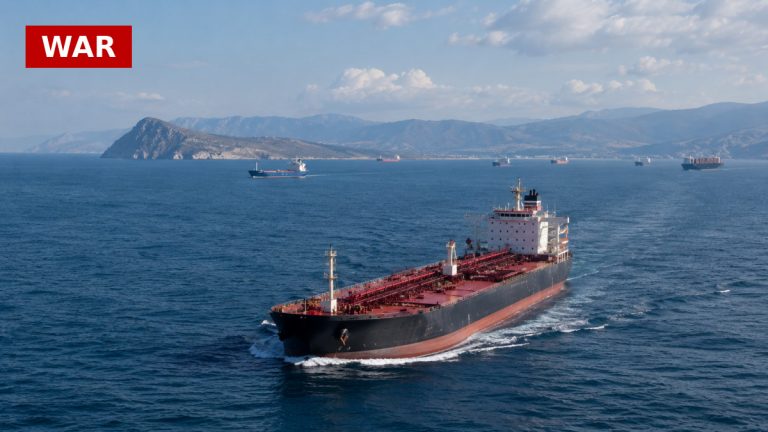
One of the most contentious aspects of the bill is the provision allowing President Trump to impose tariffs of up to 100% on countries purchasing Russian energy. This could have far-reaching implications for global energy markets and fuel prices, potentially leading to increased costs for consumers in the US and beyond.
Moreover, the bill’s passage is seen as a critical step in reinforcing US support for Ukraine, which continues to seek military and economic assistance amid the ongoing conflict. The sanctions are designed not only to penalize Russia but also to pressure President Putin to negotiate a resolution to the war.
As the final vote approaches, the outcome could reshape the dynamics of international relations and economic interactions with Russia, highlighting the delicate balance between imposing sanctions and managing domestic economic impacts. The implications of this legislation will likely be felt far beyond the immediate political landscape, affecting everyday lives and global economic stability.
Source: Radio Free Europe/Radio Liberty