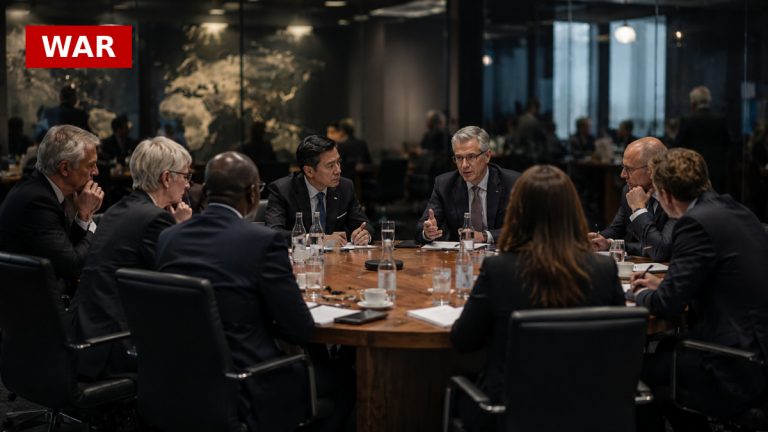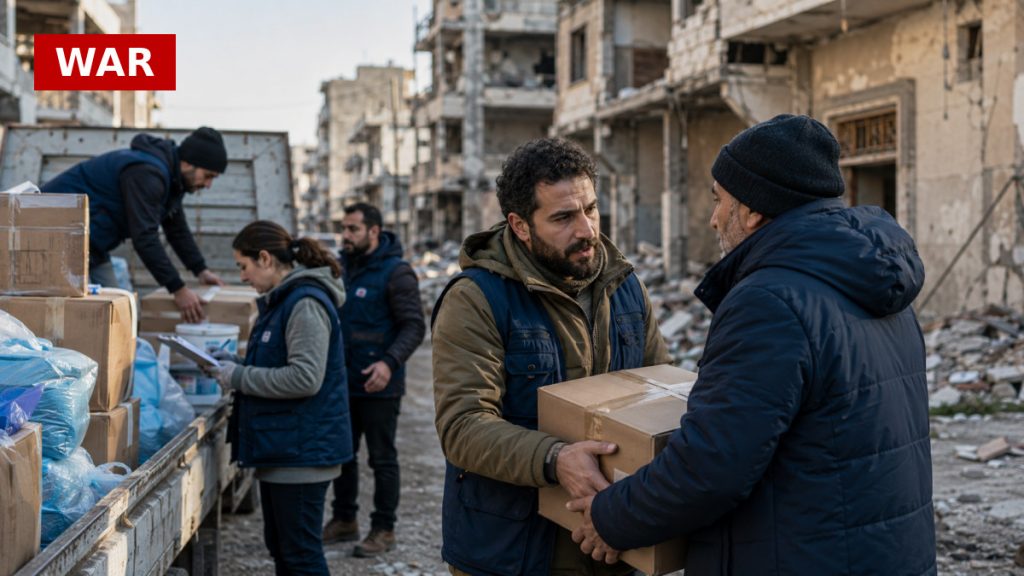
Russia’s parliamentary elections are unfolding under the shadow of its ongoing military campaign in Ukraine. This election marks the first since the invasion began in February 2022, and it is tightly controlled, with only pro-Putin parties allowed to participate. The results are expected to reinforce President Putin’s grip on power, but they also serve as a litmus test for public sentiment regarding the war, which is increasingly negative due to rising costs and shortages.
Voting is taking place not only in Russia but also in occupied Ukrainian territories, a move condemned by Kyiv and viewed as illegal by the international community. The presence of armed soldiers at polling stations in these regions raises concerns about the legitimacy of the electoral process. This tactic may be aimed at solidifying Russia’s claims over these territories, despite lacking full control.
As the election progresses, the Kremlin faces a dual challenge: maintaining its military objectives while managing growing discontent among the populace. The outcomes could influence future military strategies and domestic policies, particularly if public opposition continues to rise.
The elections are not just about parliamentary seats; they could shape the trajectory of Russia’s military involvement in Ukraine and its internal stability. With over 110 million eligible voters, the results will likely have significant implications for both domestic and international perceptions of Russia’s governance and military ambitions.
Source: DW News