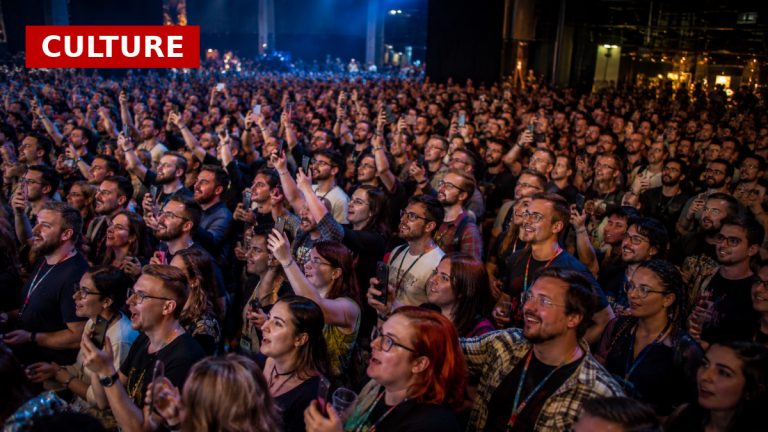
Ed Sheeran’s recent comments on the Israel-Palestine conflict during his concert in Philadelphia have ignited significant discussion. Following the removal of rapper Macklemore from his tour due to pro-Palestinian remarks, Sheeran condemned the Hamas-led attack on Israel as ‘horrific’ and described the ongoing war in Gaza as ‘catastrophic and unjustifiable.’ This shift in his stance highlights the pressures artists face when navigating political issues, especially in a climate where public opinion is deeply divided.
The controversy surrounding Macklemore’s removal has led to broader implications for Sheeran’s tour, with several supporting acts withdrawing in solidarity. This has not only affected the concert lineup but also raised questions about freedom of speech in the music industry. Sheeran’s initial reluctance to engage in political discourse contrasts sharply with his current position, revealing the complexities artists encounter when their platforms intersect with global issues.
Pro-Palestinian protests outside the concert venue further illustrate the heightened tensions surrounding the issue. Demonstrators accused Sheeran of complicity in silencing dissenting voices, reflecting a growing demand for accountability from public figures. The Palestinian Campaign for the Academic and Cultural Boycott of Israel has even called for a boycott of Sheeran’s tour, indicating the potential for lasting impacts on his career.
As artists increasingly find themselves at the crossroads of activism and entertainment, Sheeran’s experience serves as a cautionary tale. The fallout from this incident may influence how musicians approach political topics in the future, balancing their artistic expression with the expectations of their audiences and the potential repercussions of their statements.
Source: DW News