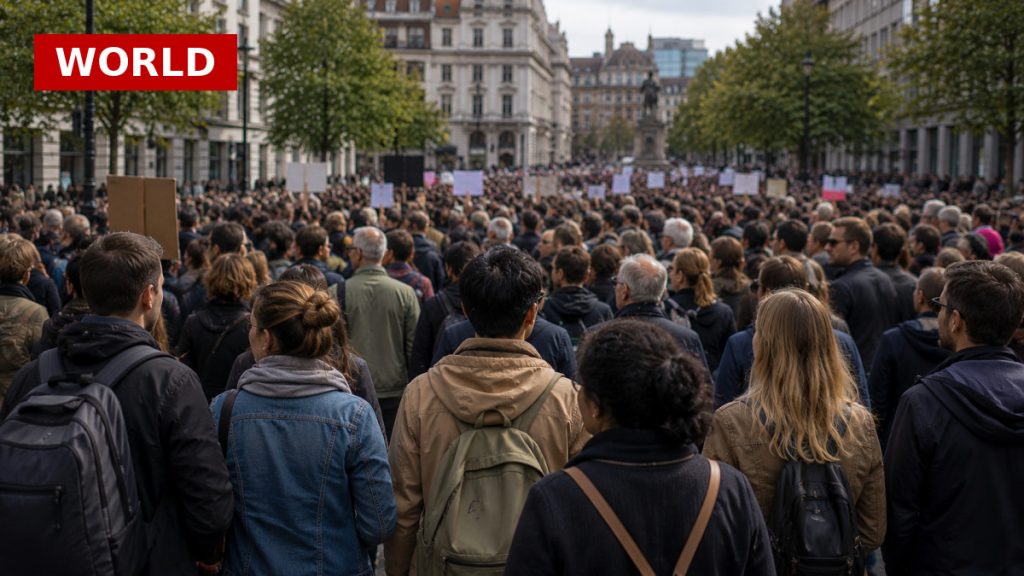
The recent arrest of Imran Khan’s sisters, Aleema Khan, Uzma Khan, and Noreen Niazi, highlights a significant escalation in the Pakistani government’s crackdown on dissent. Their detention comes just ahead of a planned nationwide protest demanding Khan’s release, raising concerns about the government’s commitment to civil liberties and political expression.
This crackdown is not merely a response to protests; it reflects deeper issues within Pakistan’s political landscape. The ruling coalition, perceived as illegitimate by many, is increasingly resorting to authoritarian measures to suppress opposition, fearing that widespread public support for Khan could destabilise their hold on power.
The sisters’ arrests have sparked outrage among Khan’s supporters, who argue that the government is attempting to silence voices advocating for democracy and justice. This situation may lead to heightened tensions and civil unrest, as citizens express their discontent over economic hardships and political repression.
As the protest date approaches, the government’s heavy-handed tactics could backfire, potentially galvanising public support for Khan and his party, Pakistan Tehreek-e-Insaf (PTI). The outcome of this standoff may have lasting implications for Pakistan’s political future and the balance of power between civilian authorities and the military establishment.
Source: The Guardian