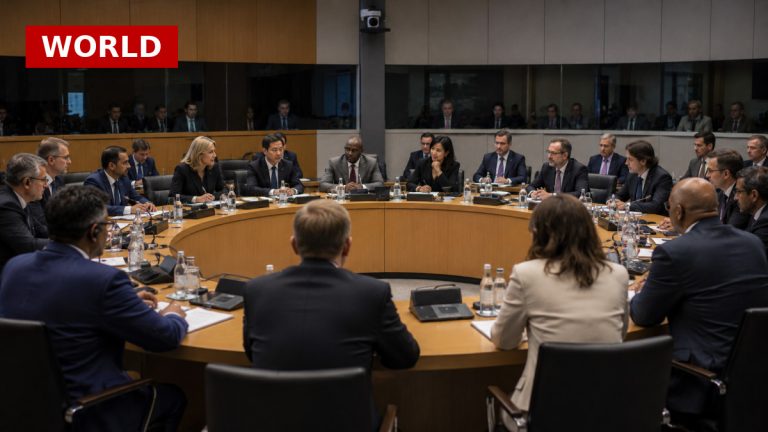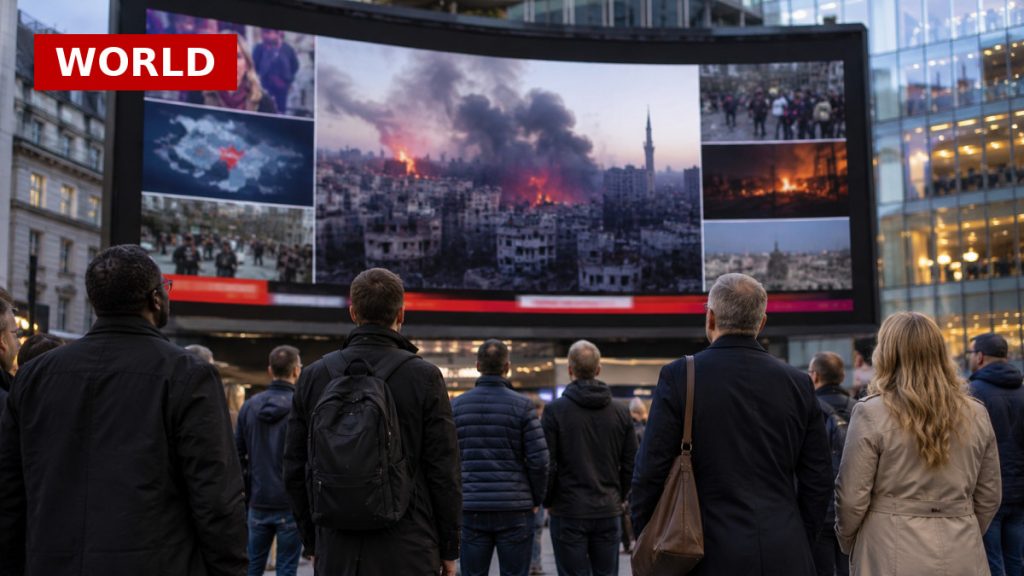
World leaders are gathering at the United Nations amid escalating global tensions, including wars in multiple regions and the urgent threat posed by runaway artificial intelligence. This year’s assembly is particularly significant as it highlights the challenges of multilateralism in a polarized world, where cooperation is increasingly difficult.
The discussions will not only focus on immediate conflicts but also on long-term issues such as climate change and economic instability. With rising living costs affecting millions, the leaders’ ability to address these interconnected crises will be scrutinised.
Moreover, the future of the UN itself is in question, as calls for reform grow louder. The current structure, dominated by the victors of World War II, is seen as outdated, and the lack of a clear successor to Secretary-General Antonio Guterres adds to the uncertainty.
As key figures like Xi Jinping and Vladimir Putin opt out of attending, the assembly’s effectiveness in fostering dialogue and cooperation is under threat. The outcomes of this meeting could have lasting implications for global governance and the future of international relations.
Source: PBS News