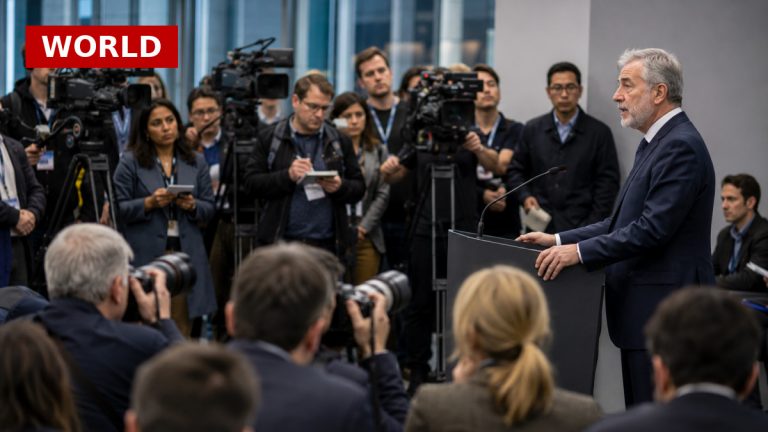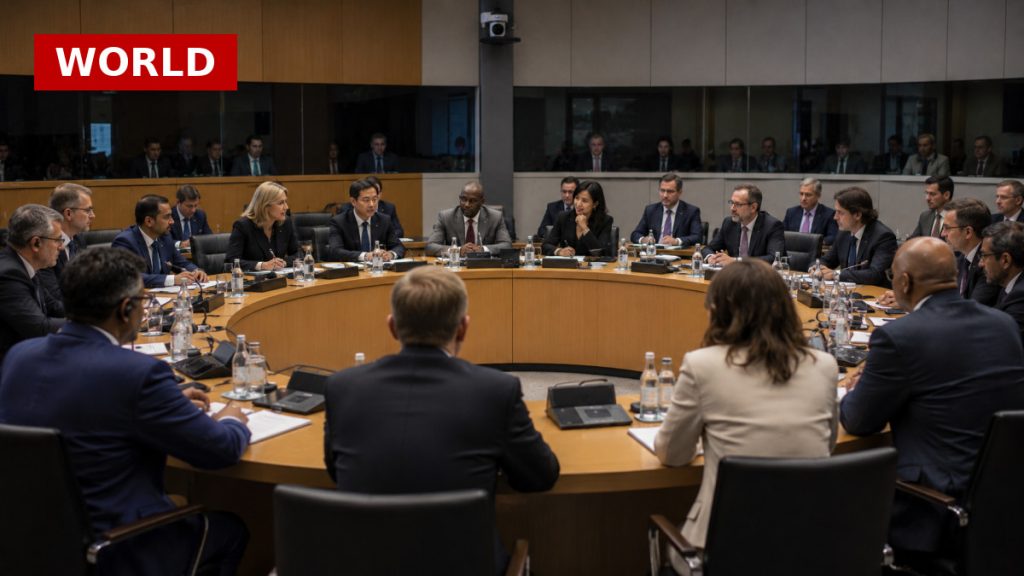
South Sudan’s President Salva Kiir has dissolved the transitional unity government, paving the way for the country’s first-ever national elections. This significant move eliminates the power-sharing arrangement established under a 2018 peace deal, which had aimed to stabilize the nation after years of civil war. With all vice-presidents and ministers removed, Kiir now holds unprecedented power, raising alarms about potential authoritarianism.
The recent changes to the National Elections Act allow Kiir to remain in office during the election period, even as critical processes like drafting a permanent constitution and conducting a census remain incomplete. This has led to fears that Kiir could delay elections indefinitely, undermining democratic progress in a nation still recovering from conflict.
Amnesty International has called for a fair electoral environment, highlighting the need for transparency and accountability. However, analysts warn that the legal ambiguities surrounding Kiir’s new powers could lead to further instability. The opposition has rejected these changes, indicating a potential for increased tensions as the election date approaches.
As preparations for the elections continue, the political landscape remains fraught with uncertainty. With Kiir’s main rival, Riek Machar, under house arrest and facing serious charges, the upcoming elections could be a litmus test for South Sudan’s fragile democracy and its ability to move beyond a history of violence and division.
Source: Al Jazeera