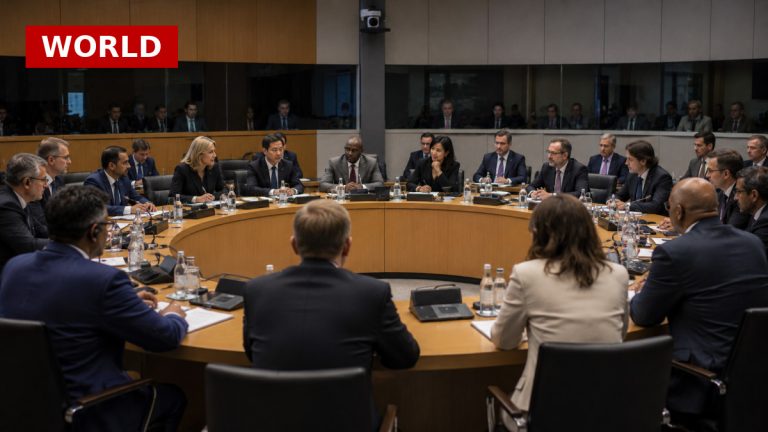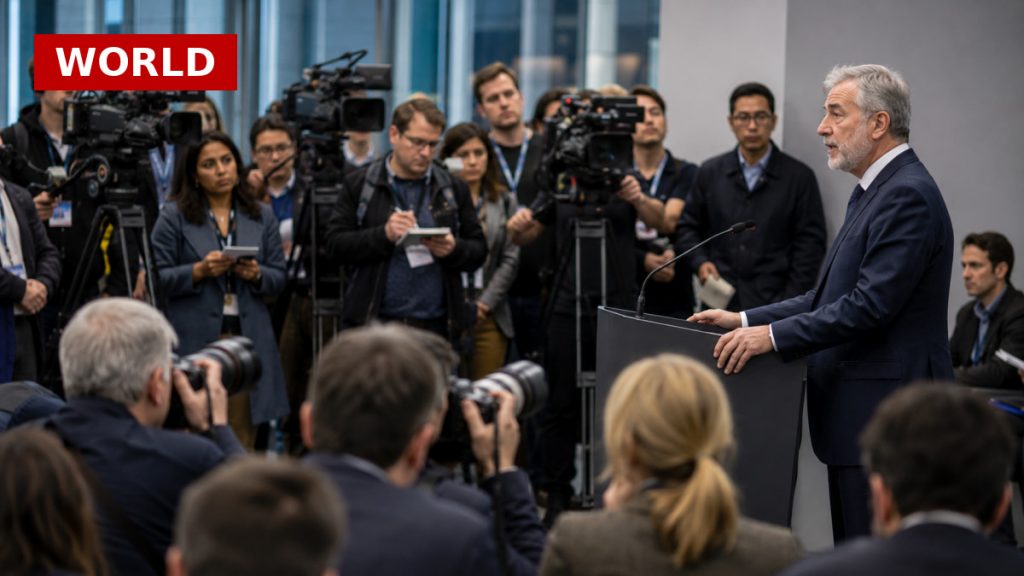
At the United Nations, world leaders are increasingly vocal about the need for stronger regulations on artificial intelligence (AI). UN Secretary-General Antonio Guterres has warned against the dangers of unregulated AI, emphasizing that life-and-death decisions should never be left to machines. His call for oversight highlights a growing concern that the rapid development of AI could outpace safety measures, potentially leading to catastrophic outcomes.
While many European leaders advocate for binding safety measures, US President Donald Trump has dismissed the need for regulation, arguing that concerns about AI echo previous climate change warnings. This divergence in perspectives raises questions about the future of international cooperation on AI governance, particularly as the UK plans to push for global standards during its G20 presidency in 2027.
The debate over AI regulation is not just a technical issue; it reflects deeper geopolitical tensions. French President Emmanuel Macron has suggested that Europe should develop independent AI technologies to avoid dependency on major powers like the US and China. This could lead to a fragmented landscape where countries pursue their own AI agendas, complicating global efforts to ensure safety and ethical standards.
As AI continues to evolve, the implications for everyday life are significant. From job automation to privacy concerns, the decisions made today about AI governance will shape the future of technology and its integration into society. The urgency of establishing a framework for AI safety is clear, as the potential risks become increasingly apparent.
Source: Euronews