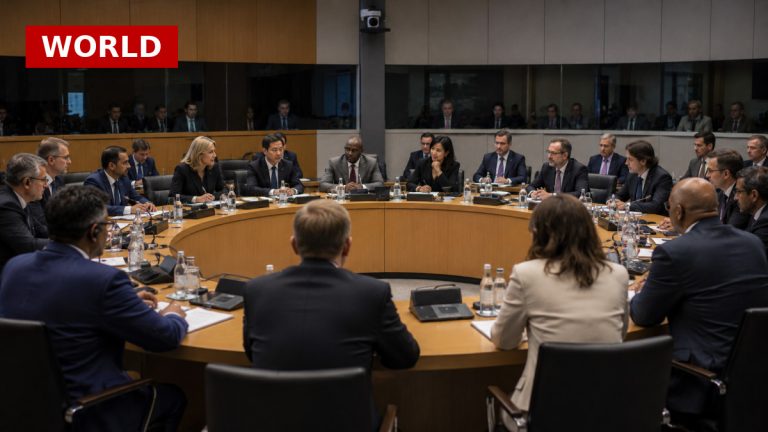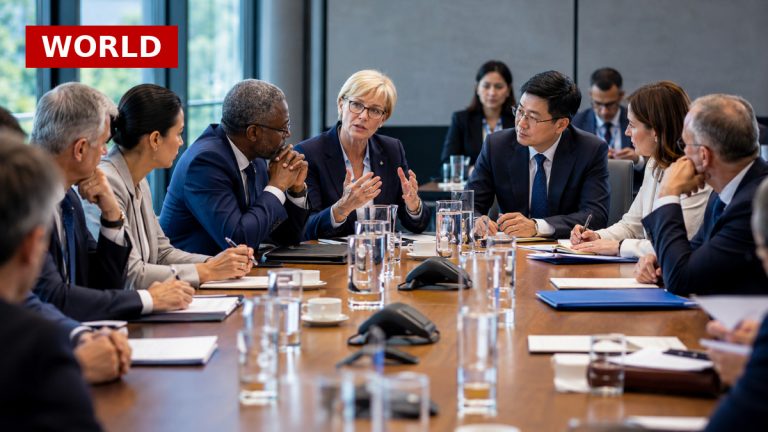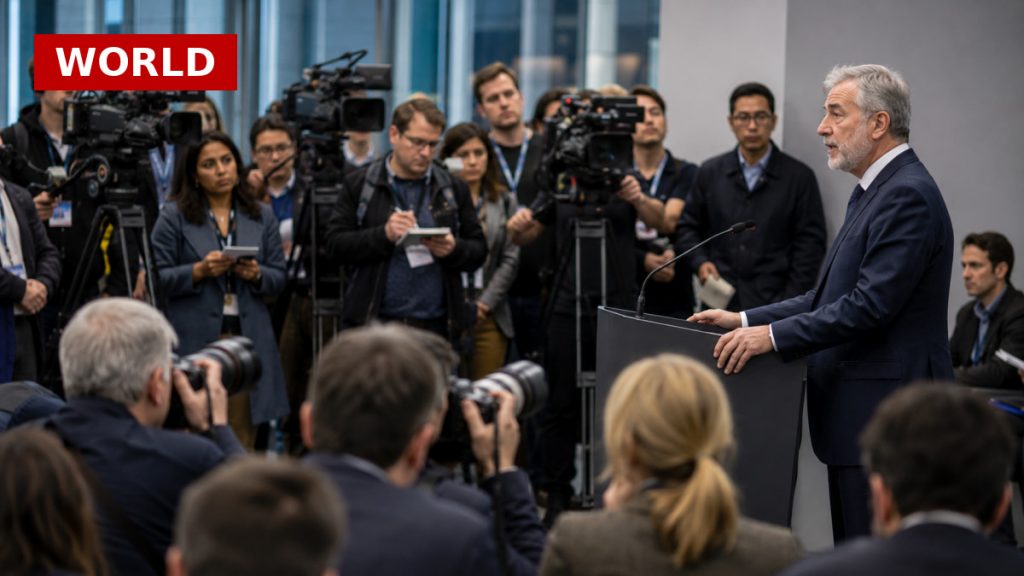
As world leaders convene for the UN General Assembly, the United Nations is grappling with a crisis of relevance and funding. Major powers like the US and Russia are increasingly acting unilaterally, undermining the UN’s authority and effectiveness. This trend raises concerns about the future of international cooperation and the UN’s ability to address pressing global issues.
The ongoing conflicts in Ukraine and Gaza highlight the UN’s limitations, particularly its Security Council, where vetoes have stymied resolutions aimed at conflict resolution and humanitarian aid. The situation is exacerbated by the perception that the UN is failing to respond adequately to crises, leading member states to seek alternative mechanisms for accountability and governance.
Calls for reform are growing, with some nations advocating for new procedures to mitigate the impact of vetoes. Historical resolutions are being revisited to allow the General Assembly to discuss issues typically reserved for the Security Council, reflecting a push for greater accountability among the permanent members.
However, the UN’s struggle for relevance is compounded by the actions of powerful nations, which are increasingly pursuing their own agendas outside the UN framework. This shift could have long-term implications for global governance and international relations, as countries explore new alliances and platforms for cooperation.
Source: Al Jazeera