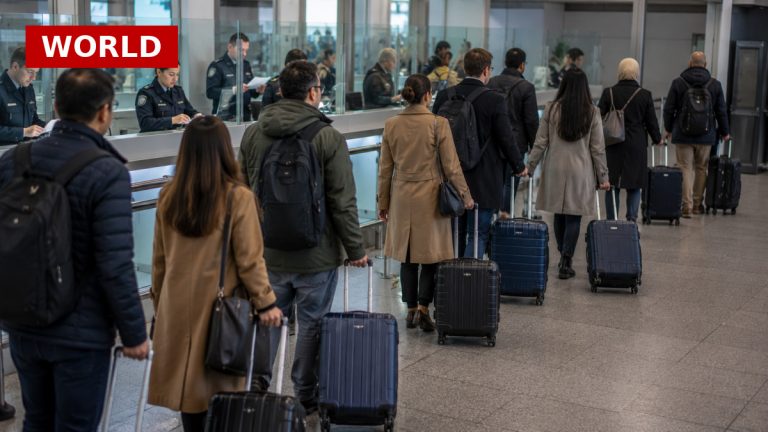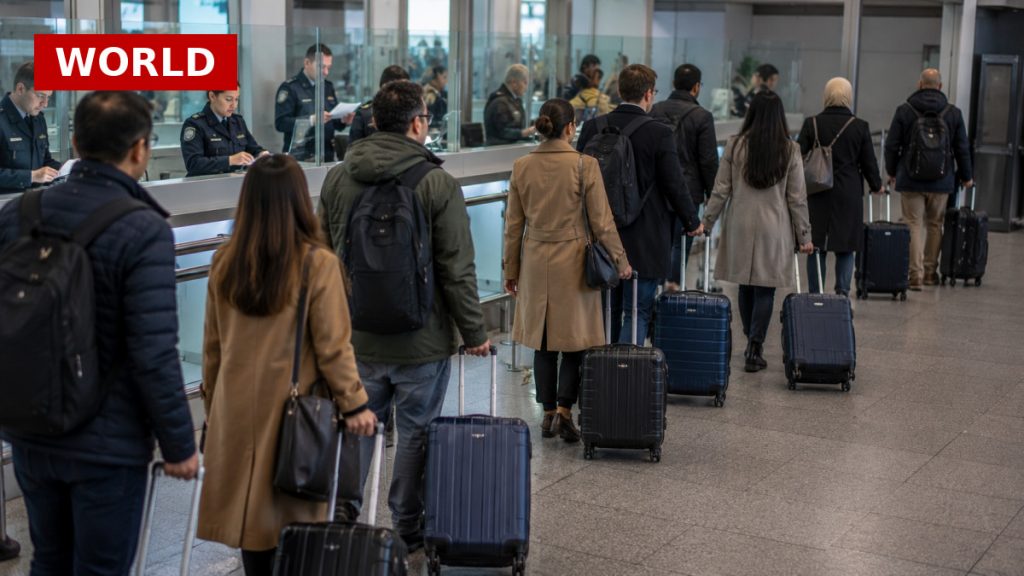
A surge of AI-generated videos depicting fictitious far-right protests across Europe has emerged on TikTok, misleading viewers and amplifying societal divisions. These videos, which falsely portray large crowds protesting against immigration and government policies, have garnered significant attention, with some reaching over 300,000 views. The manipulation of public perception is evident, as many users mistakenly believe these fabricated events are real, reflecting deep-seated political anxieties.
Experts warn that the emotional resonance of these videos, combined with their viral nature, poses a serious risk to democratic discourse. By tapping into existing grievances, these AI creations exploit social media algorithms that favour provocative content, further polarising audiences. The videos often masquerade as legitimate news, using familiar logos and imagery to deceive viewers, which raises concerns about misinformation tactics in the digital age.
Despite TikTok’s policies against misleading AI-generated content, many of these videos remain online, highlighting potential failures in the platform’s detection systems. This situation underscores the challenges of regulating digital misinformation, especially as the European Digital Services Act mandates stricter measures against harmful content. The persistence of these videos not only questions TikTok’s compliance but also reflects broader vulnerabilities in managing online narratives.
As real protests unfold across Europe, including significant demonstrations in Spain and Germany, the contrast with these fabricated videos illustrates the urgent need for critical media literacy. Understanding the difference between genuine activism and AI-generated misinformation is crucial for maintaining informed civic engagement in an increasingly digital world.
Source: Euronews