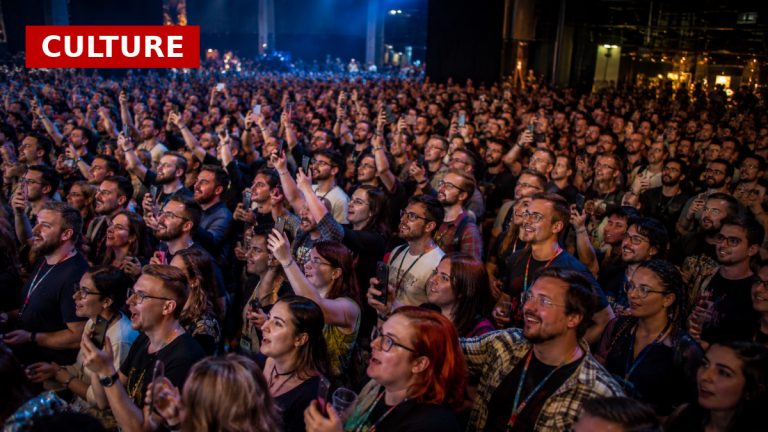
Pope Leo XIV’s upcoming visit to France is stirring significant public interest, with expectations of massive crowds and heightened security. This event, dubbed ‘Pope fever,’ is not just a religious gathering; it reflects deeper societal tensions in a country that has maintained a secular stance since the early 20th century. The pope’s popularity among both believers and nonbelievers highlights a potential shift in public sentiment towards religion in a predominantly secular society.
The visit coincides with France’s political landscape, just months before presidential elections. Political scientist Olivier Roy notes that while the left appreciates the pope’s character, there is skepticism about the state’s involvement in his reception. Conversely, far-right factions welcome the visibility of Catholicism but oppose interfaith events, fearing they undermine Christian dominance. This division underscores the complexities of national identity in contemporary France.
Pope Leo’s speeches during the visit are anticipated to address not only religious themes but also broader European issues, including nationalism and populism. His choice of Metz for a key address symbolizes a call for unity in a historically contested region, reflecting the pope’s vision of a cohesive Europe beyond national borders. This could resonate with many who feel disillusioned by rising nationalism.
As the pope engages with French society, his messages may influence public discourse on religion and politics. The visit serves as a reminder of the Catholic Church’s enduring relevance in Europe, even as its demographic base shifts. Observers will be keen to see how Leo navigates these sensitive topics, particularly in a nation grappling with its identity in a rapidly changing world.
Source: DW News