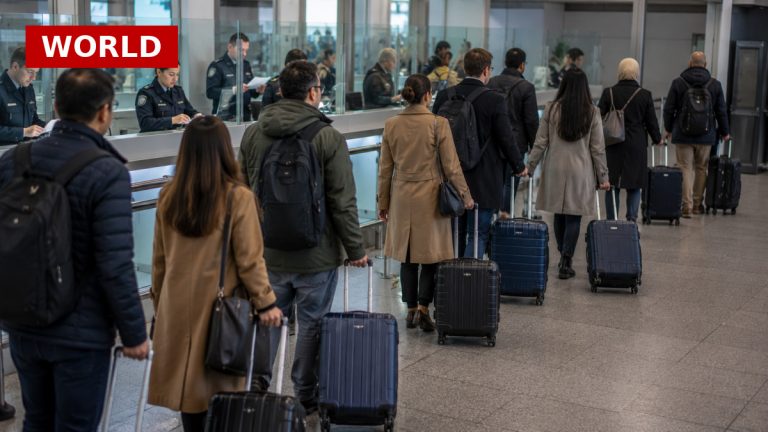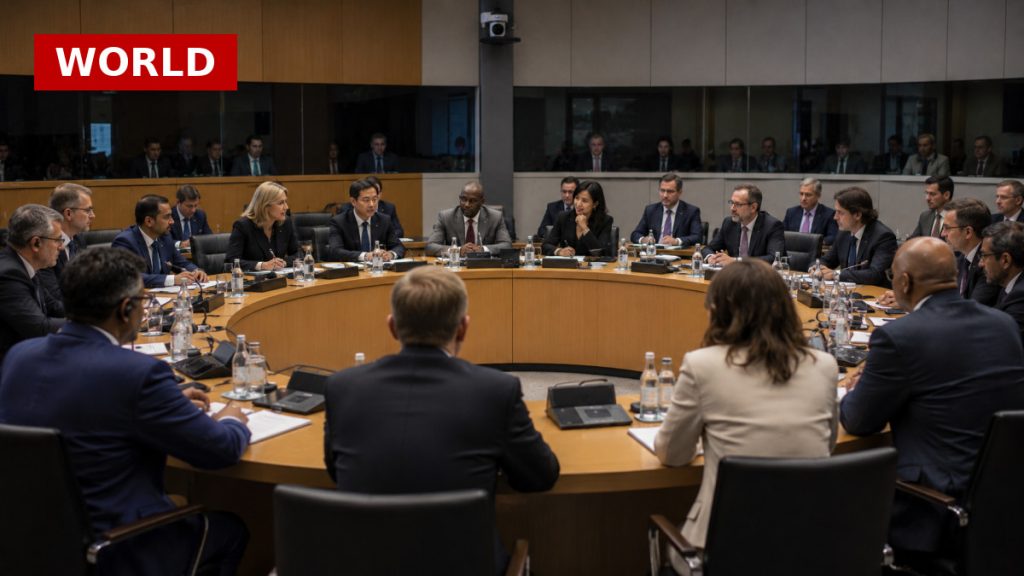
The United States’ decision to withhold a visa from Sudan’s army chief, Abdel Fattah al-Burhan, has ignited significant backlash. This move is reportedly aimed at pressuring him into accepting a proposed 90-day ceasefire amid Sudan’s ongoing civil war. Activists and journalists have condemned this tactic as a form of political coercion, arguing that access to the UN should not be contingent on compliance with external demands.
The implications of this action extend beyond diplomatic tensions. By linking the visa to a ceasefire agreement, the US risks inadvertently strengthening al-Burhan’s position domestically. Critics suggest that denying him access could rally support around him, as it may be perceived as an affront to Sudan’s sovereignty. This could lead to increased resistance against foreign influence in the conflict.
Moreover, the situation raises questions about the US’s commitment to international norms. The reported violation of the UN’s agreement with the US regarding visa issuance could undermine the credibility of the US in global diplomatic circles. If the US continues to use visas as leverage, it may set a concerning precedent for future international relations.
As the conflict in Sudan continues to escalate, the ramifications of this visa controversy could have lasting effects on both Sudan’s internal dynamics and its international relations. The situation highlights the delicate balance between diplomatic pressure and respect for national sovereignty, a balance that is increasingly difficult to maintain in complex geopolitical landscapes.
Source: Al Jazeera