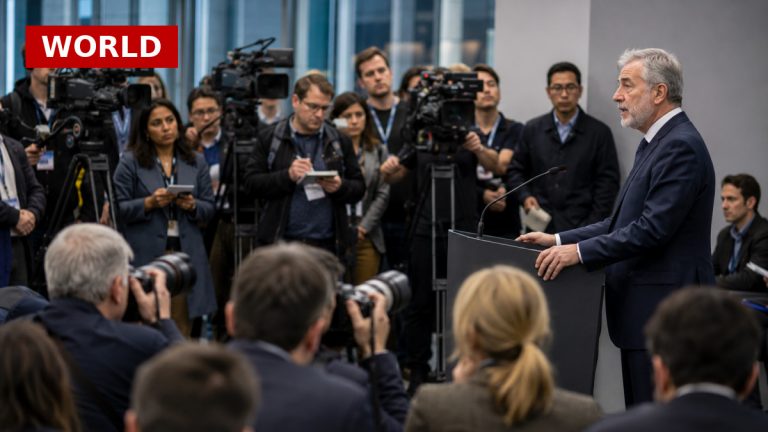
Nikol Pashinyan’s Civil Contract party has secured a significant victory in Armenia’s parliamentary elections, winning nearly 50% of the vote. This outcome is pivotal as it reflects a broader geopolitical shift for Armenia, moving away from its traditional ties with Russia and towards closer relations with the European Union. Pashinyan’s government aims to solidify this transition, which could reshape Armenia’s foreign policy and economic landscape.
The election results come amid ongoing tensions with Azerbaijan and a complex relationship with Russia. Pashinyan’s commitment to pursuing EU membership and strengthening ties with the West could lead to increased foreign investment and support, but it also risks alienating Moscow, which has historically been Armenia’s ally. The implications of this shift could affect regional stability and security dynamics, particularly given the historical conflicts in the region.
Despite the victory, Pashinyan’s party did not achieve a two-thirds majority, which is crucial for implementing constitutional changes related to the peace deal with Azerbaijan. This limitation may hinder his ability to fully realise his agenda, potentially leading to political instability or further electoral challenges.
As Armenia navigates this new political landscape, the international community will be watching closely. The EU’s support for Pashinyan’s government indicates a willingness to engage more deeply with Armenia, but the path forward will require careful diplomacy to balance relations with both the West and Russia.
Source: Al Jazeera