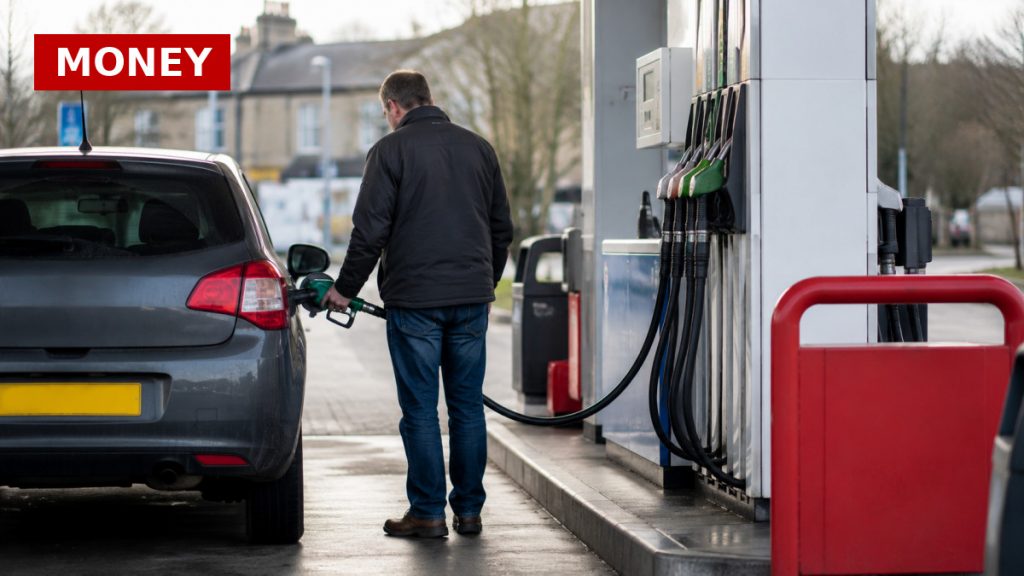
The House of Lords has approved a significant increase in Clean Air Zone transaction fees, doubling them from £2 to £4 starting September 2026. This change raises concerns about the financial impact on drivers already grappling with high fuel prices. Critics argue that this fee hike could be seen as a stealth tax, disproportionately affecting lower-income motorists who often own older vehicles that do not meet emissions standards.
Transport Minister Lord Hendy defended the increase as necessary for full cost recovery of the Government’s payment processing service. However, opponents, including Conservative peer Lord Moylan, highlighted that the fee increase could lead to local authorities passing costs onto drivers, undermining the intended benefits of Clean Air Zones.
The regulations also extend the charging period for Clean Air Zones until March 2031, acknowledging that compliance with air pollution targets may take longer than previously anticipated. This extension raises questions about the sustainability of funding for local transport improvements, as councils may rely on surpluses generated from these charges.
As the government aims for compliance with air quality standards, the implications of these new fees could ripple through local transport budgets, potentially limiting investment in sustainable transport alternatives. Motorists may need to prepare for increased costs as these changes take effect, impacting their daily routines and financial planning.
Source: GB News