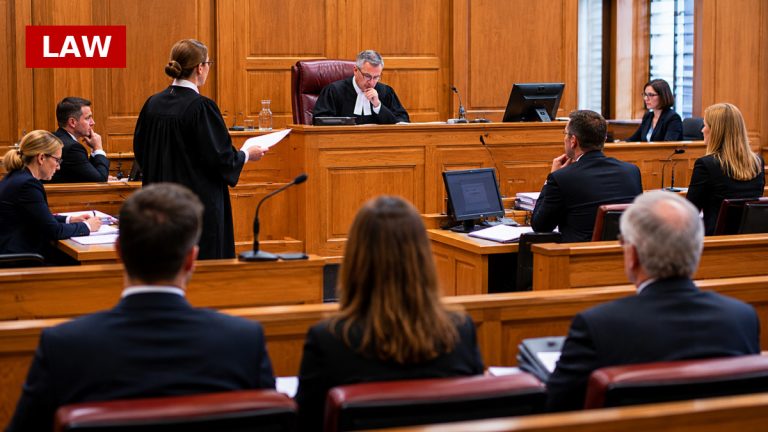
Telegram is contesting the Indian government’s temporary ban on its messaging app, which was implemented ahead of the NEET medical entrance exam. The Delhi High Court is set to hear the case urgently, as the ban affects over 150 million users in India. The government claims the app was being used by cheating rings to defraud candidates, prompting the block until June 22.
This situation highlights the growing tension between digital platforms and government regulations, particularly in a country where online communication is vital for millions. The NEET exam’s cancellation due to a leaked question paper has already sparked protests, raising concerns about student welfare and the impact of such bans on educational access.
Telegram’s rapid growth in India, now its largest market, underscores the platform’s significance in daily communication. As the case unfolds, it may set a precedent for how governments regulate digital services, especially in contexts where education and technology intersect.
The outcome could influence future interactions between tech companies and regulatory bodies, potentially reshaping the landscape of online communication in India. Users and stakeholders alike are watching closely as the implications of this legal challenge unfold.
Source: DW News